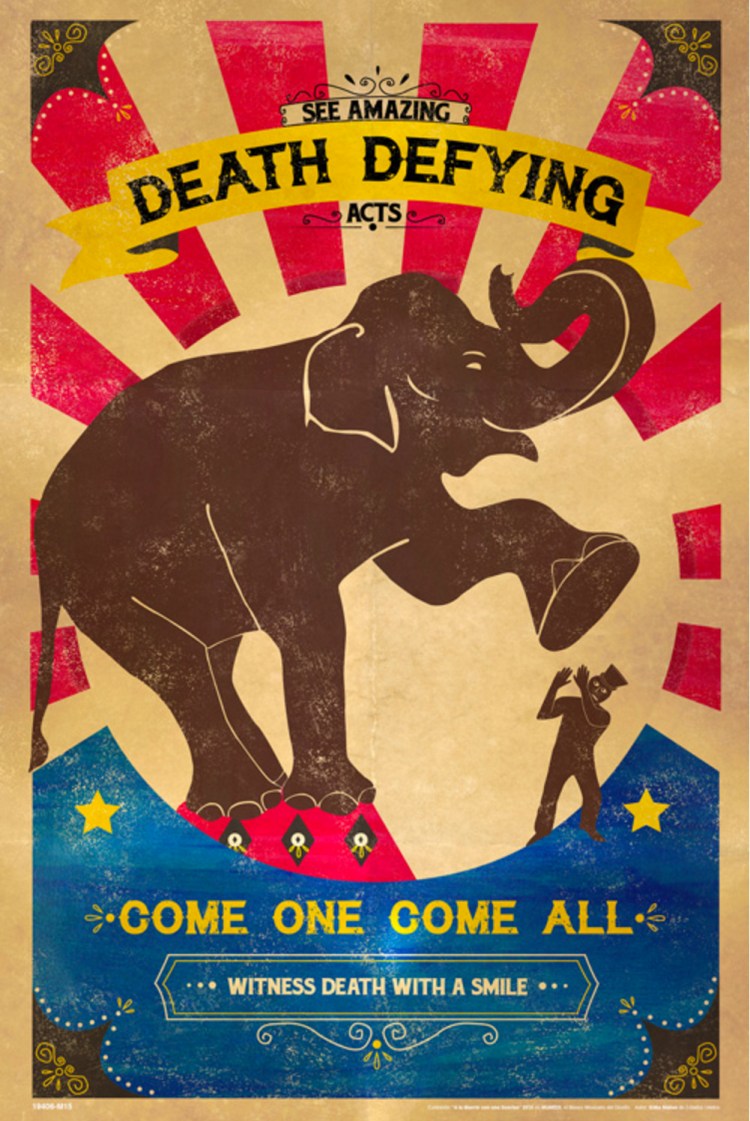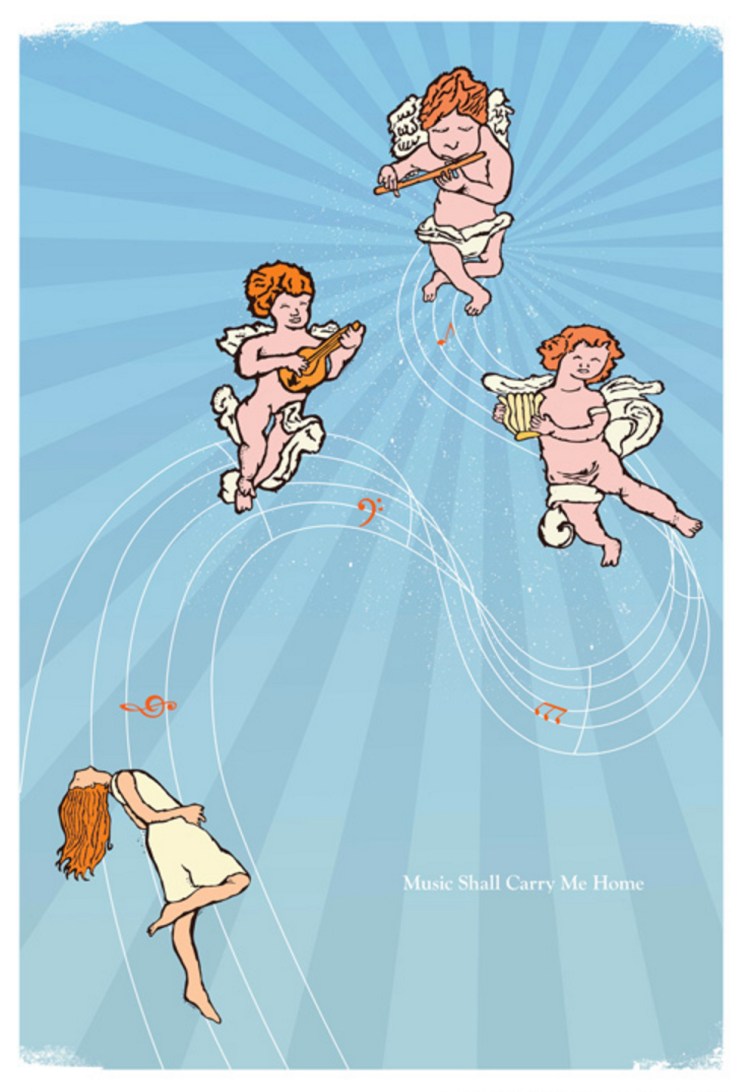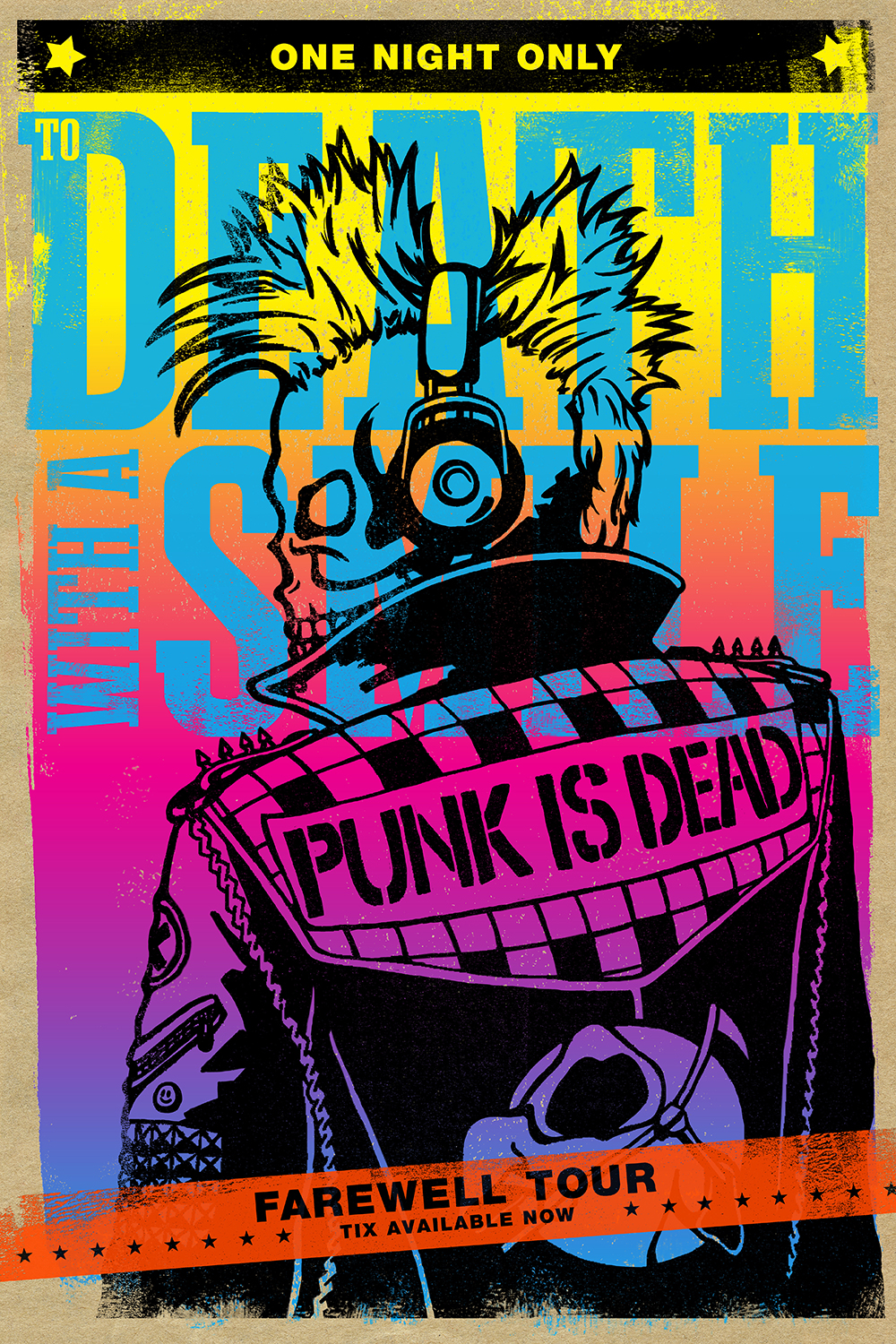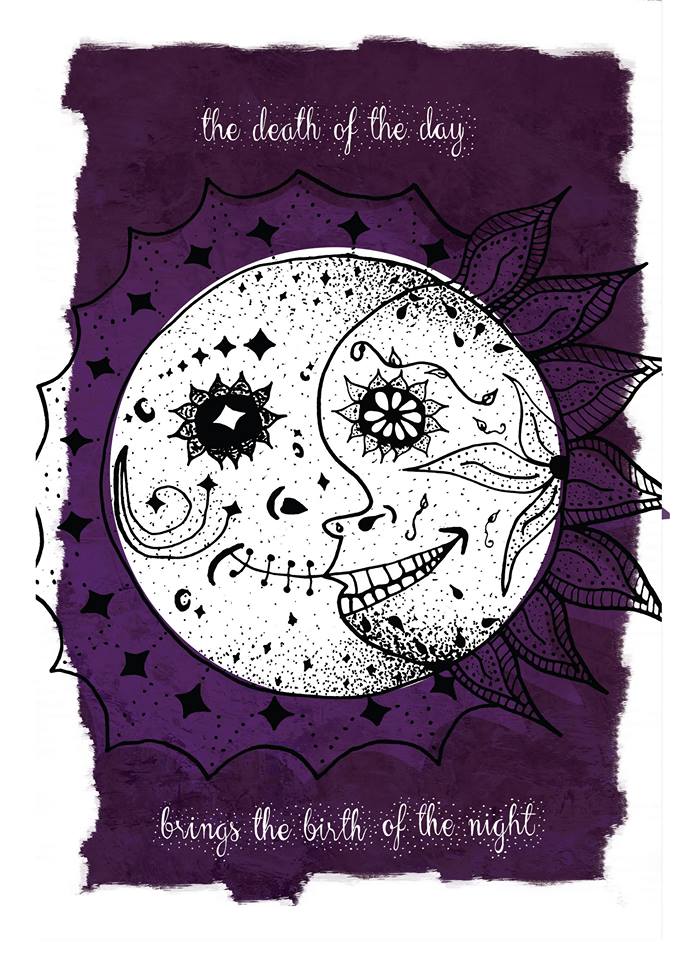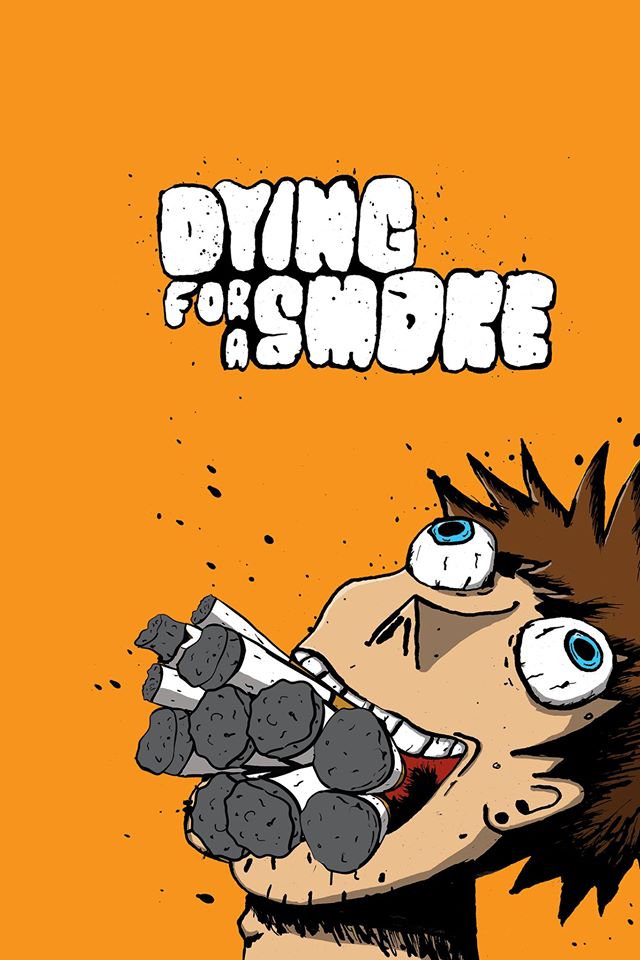
I promised more images from the exhibition “TO DEATH WITH A SMILE” or in Spanish “A LA MUERTE CON UNA SONRISA.” Thanks to Prof. Vicki Meloney for sharing the files, here they are.
Save My Soul by Carlos Franqui
These Kutztown students are finalists, along with artists worldwide. The works are on display through Feb 9 in Mexico City at MUMEDI, The Mexican Museum of Design.
Breathe Breed Bury by Malichi Hall
Finalists’ artwork can be found on the MUMEDI website.
By Erika Mabus
First Prize in this contest includes a MacBook Air, a three night stay at the Museum’s boutique hotel in Mexico City and 3,000 pesos.
Dead Zone by Kristen Demilfy
Prof. Meloney writes, ” the contest challenges cultural perceptions of death and dying. When can death evoke a smile (clever, funny, emotional)? We spent weeks researching the concept of death — Cultural connotations, discussing and dissecting our beliefs and traditions (sometimes the conversations has us rolling with laughter and sometimes brought us to tears).— thousands of entries worldwide, 400 finalists, only 22 from the united states and 16 of those 22 were from our Kutztown University Graphic Design class! Way to go KUCD!”
Michael Oxendine
Some of the images are cartoon-like.
Five More Minutes! by Morgan Mahoney
Others border on the surreal.
Bliss by Kathryn Desiderio
Prof.Meloney pointed out that she Prof. Cunfer and Prof Tienken are so proud of their junior year students. The final image, below, is by Natalie Bett, a grad student from Kenya, a student in our new MFA program.
MUMEDI is the Mexican Museum of Design, near the zocalo in the center of Mexico City. They host an international poster exhibition. The theme this year is “To Death with a Smile.”
by Sam Mickley
On Facebook, Sam Mickley posted her image (above) and this note, “Found out today that I’m a finalist for the Mumedi International Poster Contest “To Death With A Smile”! 400 finalists were chosen out of thousands of entries, 22 of which were from the US, and out of those 15 were from KUCD! Congrats to everyone who made it!”
by Andrew Hughmanick
The 15 Kutztown students honored designed these projects in Prof. Vicki Meloney’s and Prof. Elaine Cunfer’s Graphics 1 classes. Here is a selections of their diverse images.
by Elaine Knox
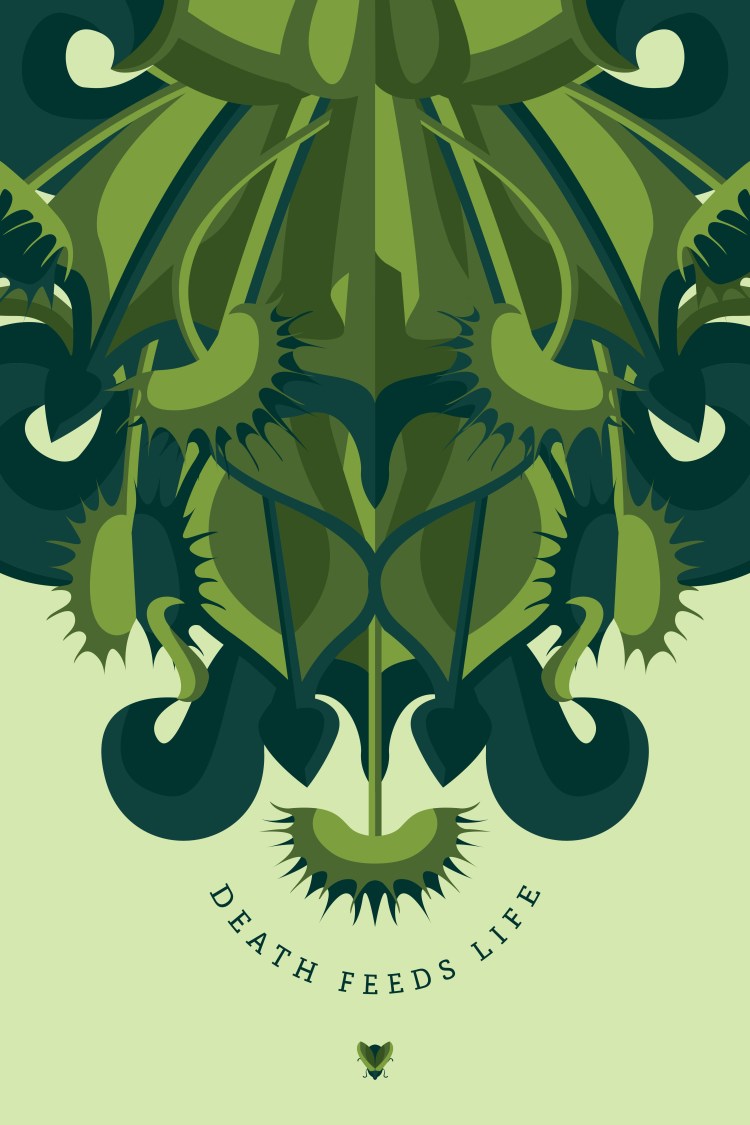
Elaine Knox’s poster above is novel. She explains that she started with the concept of nature’s food chains and decided to depict a venus fly trap.
by Jamie Hubert
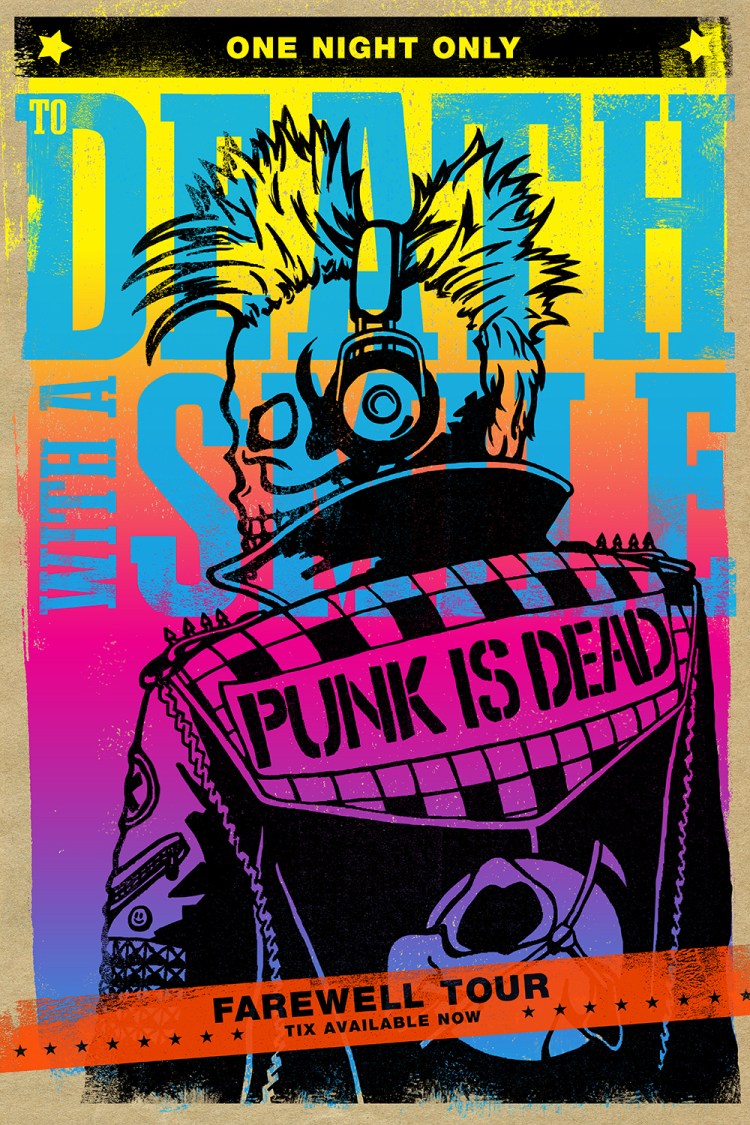
From Punk to The Bible, students found inspiration everywhere. Below is Cambrea Roy’s poster based on Paul’s Epistle to the Corinthians.
by Cambrea Roy
Jessica Strohecker created several wonderful images. She is not sure which one MUMEDI selected. Below is just one of her educational images on the concept of sepsis.
Germs Kill Kill Germs by Jessica Strohecker
Here’s an image by Miranda Pokras; it has a Venetian vibe.
by Miranda Pokras
These posters will be exhibited at MUMEDI, Mexico City for several months. And at the end of 2016, the exhibit will travel to Spain and Finland. As I get more images I will post them. Congrats to all the students and profs involved. We leave with a mysterious, somewhat surreal, illustration by Patrick Coyle.
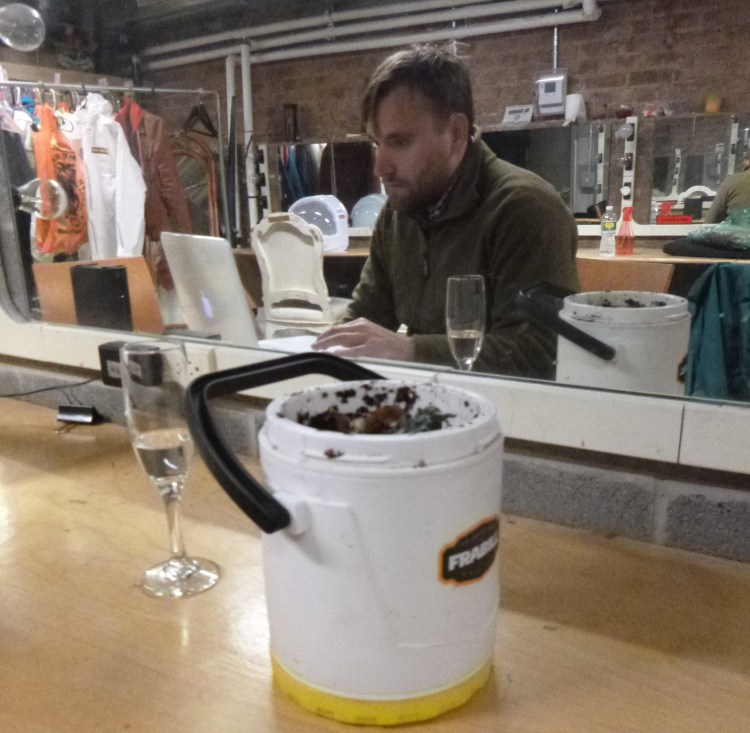
Neil Numberman and my worms in the dressing room at Dixon Place Theater.
Saturday morning I took the Bieber bus to New York City carrying my bucket of worms. The Dixon Place Theater on the Lower East Side was locked when I arrived. A man walked up and asked, “Are you a performer?” I had to think for a New York minute, “Yes!”
Neil, Bob and Catherine Porter at Carousel for Kids.
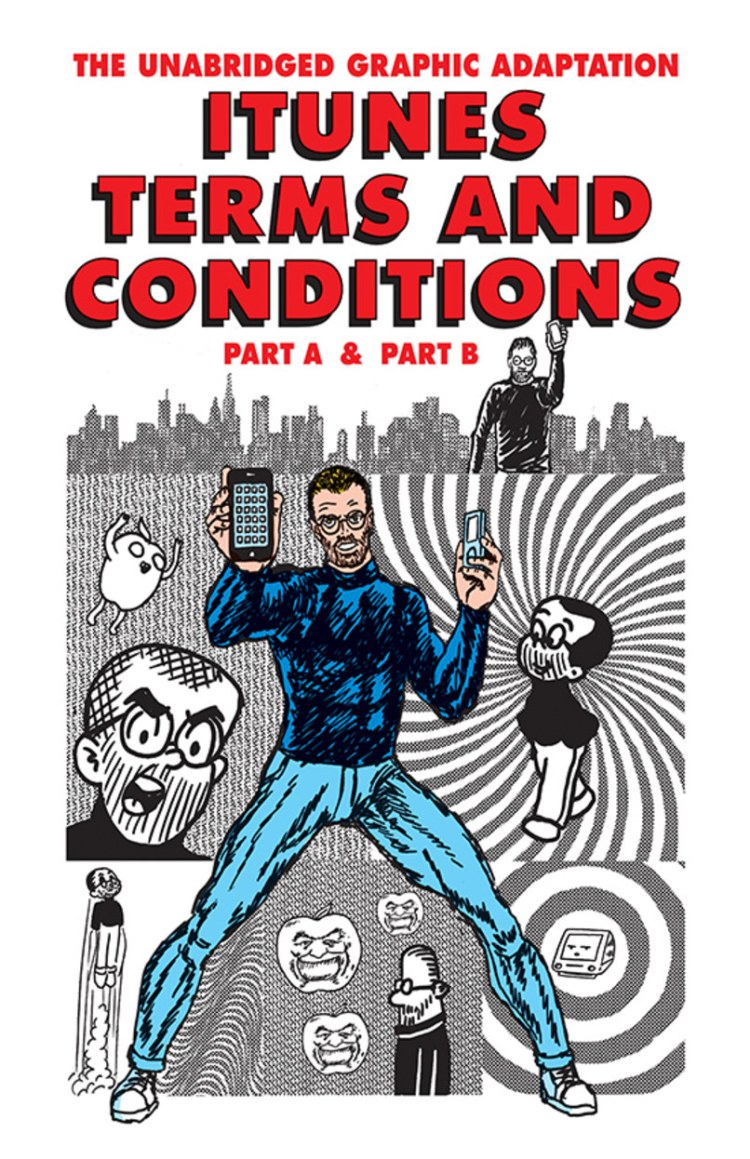
Bob has been getting a lot of well-deserved press for his webcomic adaptation of the ITunes Terms and Conditions. NPR featured the project last week. He manages the formalist trick of illustrating the unreadable, and on top of that, he mimics styles of cartoon masters from Jim Steranko to Ernie Bushmiller. I’ve tried something like it (stylistic homage) with nowhere near the amazing results of Sikoryak. He’s also printed the iTunes Terms as a zine. Makes a great gift for the MacAddict in your life.
Since 1997, Bob Sikoryak has been presenting Carousel at one place or another. Back in the day, they used Kodak Carousel projectors, hence the name. I told Bob I thought the current show had a nouveau vaudeville feel. He says he’s presenting visual storytelling inspired by old-time radio variety shows. Over the years many remarkable artists have participated in Carousels. Everyone from John Porcellino to James Sturm, Raina Telegemeier to Kaz. Check the full roster here.
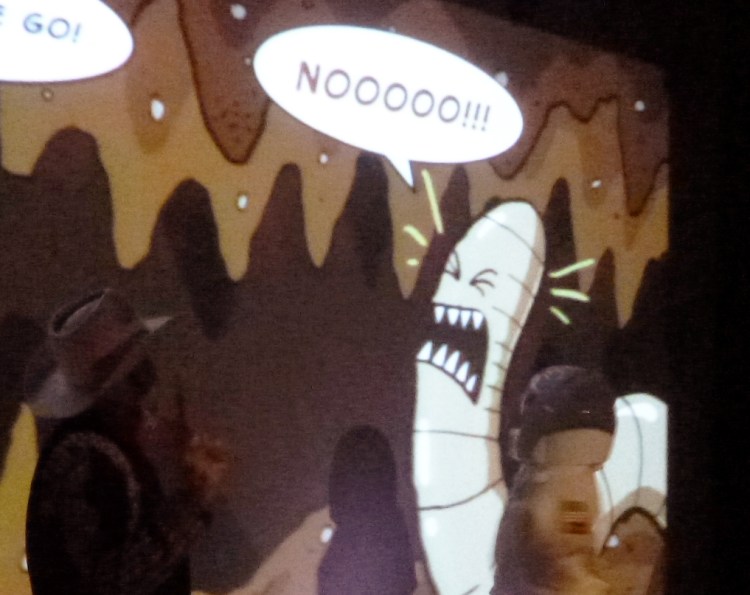
For the most recent show Neil Numberman created epic cartoon panels to be projected behind the cast. There was a crazed catfish and an Abominable Snowman. Neil even added a monstrous mad worm as a transition to lead into my We Dig Worms! worm race.
Example of Neil Numberman’s art for Highlights.
Carousel tickets cost $8 for kids, about the price of a movie in Manhattan, and a fraction of the price of a Broadway show. I was impressed by the kids in the audience. There was plenty of audience participation. When the show ended and the lights came up, one little girl, perhaps 5 years old, asked her dad, “Is this the end, or the middle?” Clearly, this wasn’t her first experience with live theater, she knew about intermission!
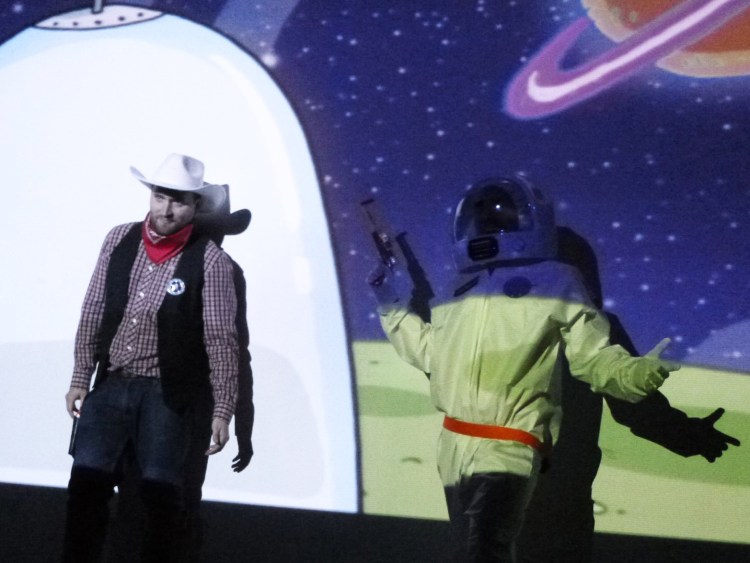
Cowboy Neil and Spaceman Bob
Stand Up : Build an Audience
In my illustration classes, I find myself imploring students to say something, anything, about their work. One said, ‘I don’t think it’s fair to ask for class participation if we do the work.’ As Prof. Martin Lemelman used to say to his illustration students, “It’s like pulling teeth! If I wanted this, I would have gone to dental school!” My students know they need a digital presence. Sure, but they need a physical presence, too! As print media contracts, digital media disrupts, artists must create new venues, new outlets for their visions. Carousel For Kids demonstrates that illustrators can build an audience if they are true visionaries.
A number of the recent Carousel artists contributed to Fable Comics.
Here are links to the other artists who shared the stage this week. Gregory Benton, Ruben Bolling, Chris Duffy, John Kerschbaum, Catherine Porter. All these energetic artists are worth knowing. The Carousel is a moveable feast, but it will happen again at Dixon Place. To find out when the next Carousel happens go to Sikoryak’s site or friend him on Facebook. May the Carousel continue for many more revolutions!
-Kevin McCloskey
Note: I had to change the look, the theme, of this blog. The old theme didn’t work on phone screens. Unresponsive! Now older posts may look wonky, but if I learned anything from the Carousel, it is this: The show must go on!
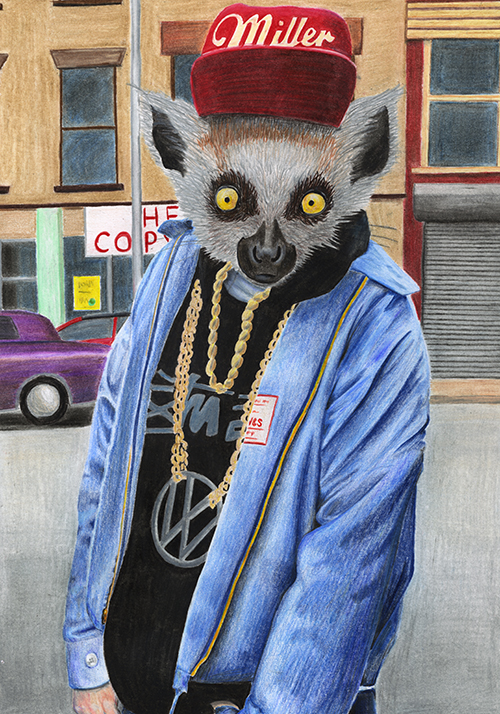
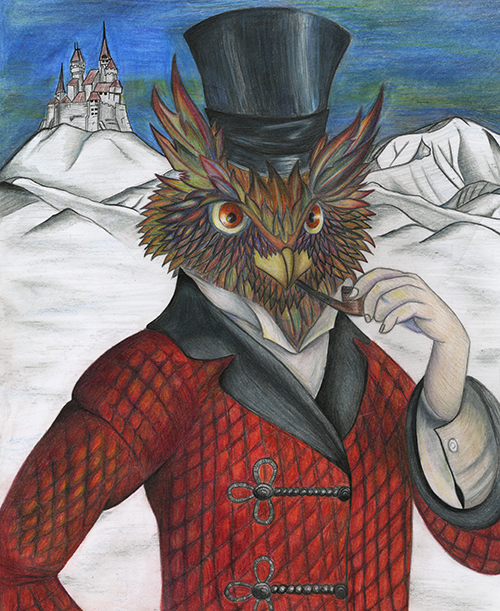
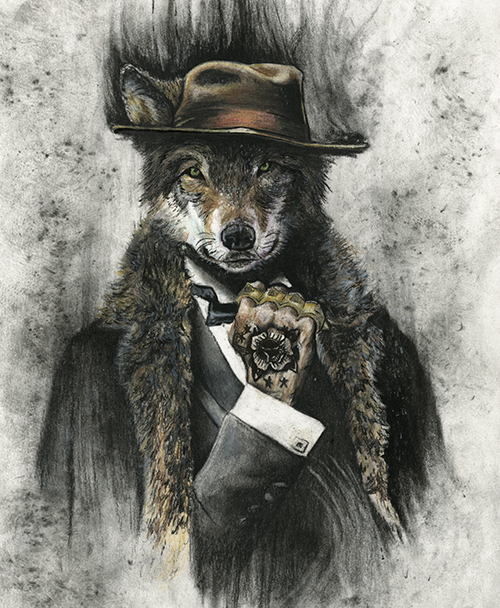
I have been using this assignment for years, getting imaginative combinations. Back in the day, students found three different photos: a head, body and background.
Lately I’ve seen students actually google the words “animal head on human body” on their phones. I think of this as a crowd-sourced substitute for individual creativity. Some use Photoshop’s lasso tool to put an existing head on a body, then use the Artograph projectors to copy their Photoshop collage. Still, I must admit, I am getting good work.
Sierra Fry’s art student bull is brilliant. His last name is Sharadin, which is the name of the art building here. Note the museum sticker on his sketchbook is from MooMA, not MOMA.
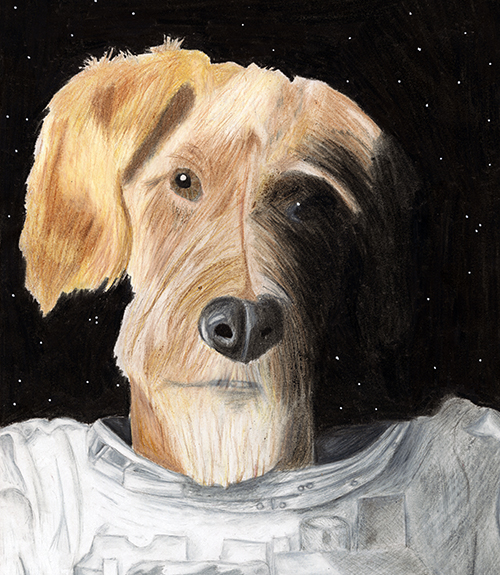
Kayliyn Gustafson based her image on her dog, Kip. I beefed up the contrast as I scanned this image to make her pencil marks in outer space less apparent. It looks stunning with this slight adjustment. I am all about using the computer to make drawings pop. Of course, you can’t do much unless the underlying drawing is excellent, like this portrait of Kip.
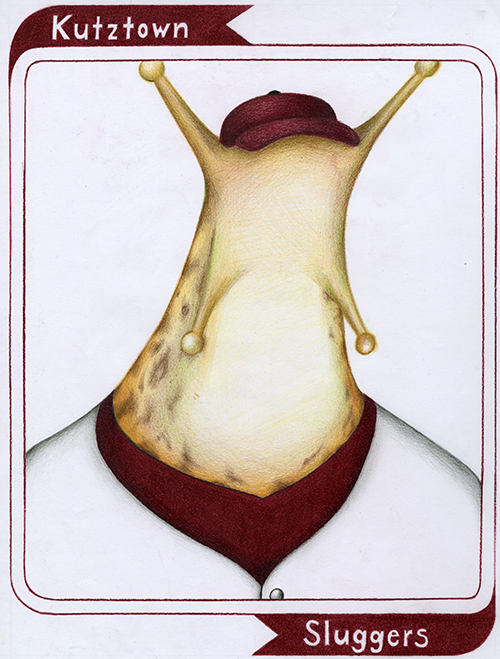
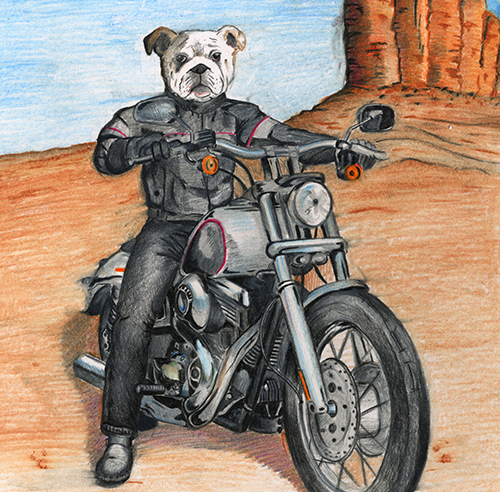
Samantha Fusco’s slugger looks like a Kutztown U baseball card. I told the students there is a university that has a slug for a mascot. Some found that info hard to believe. We leave you with an ambitious image below. It is tough to draw a motorcycle, let alone one ridden by a bulldog.
I suggest students use ordinary marker layout bond. Some prefer smooth bristol board. Recommended pencils brands are Prismacolor or Derwent. One tip with colored pencils is using a bit of isopropyl rubbing alcohol on a cotton swab to blend colors. If used everywhere the alcohol can make the colors mushy, but in moderation it’s a special effect worth trying.
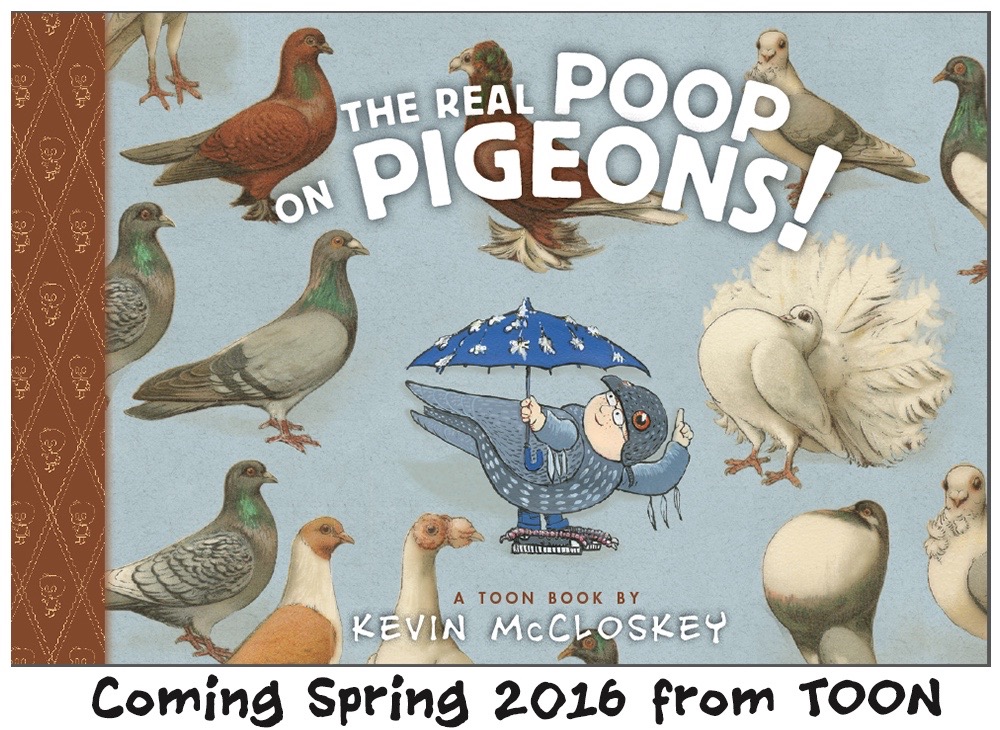
You may see odd advertisements on these pages. We neither endorse nor profit from these ads; they are WordPress’s sponsors. I have added a link to my Toon Book, We Dig Worms! If you buy it, I will make a small profit, thanks! We Dig Worms! is available wherever books are sold. If you’d like to order from Amazon, click the image below.
Kylie O’Connor’s Frog Prince is a wonderful example of scrathboard illustration. She began by painting the basic components, – frog, hand, plants – with brush and ink on a prepared clay-coated board. The horizontal lines were added with a micron, an artist’s felt tip pen with pigmented black ink. She used a scratchboard knife, like the one pictured below, to subtract from the black areas to create a sense of form.
The Hunt’s #112 scratchboard knife fits in a Speedball pen holder.
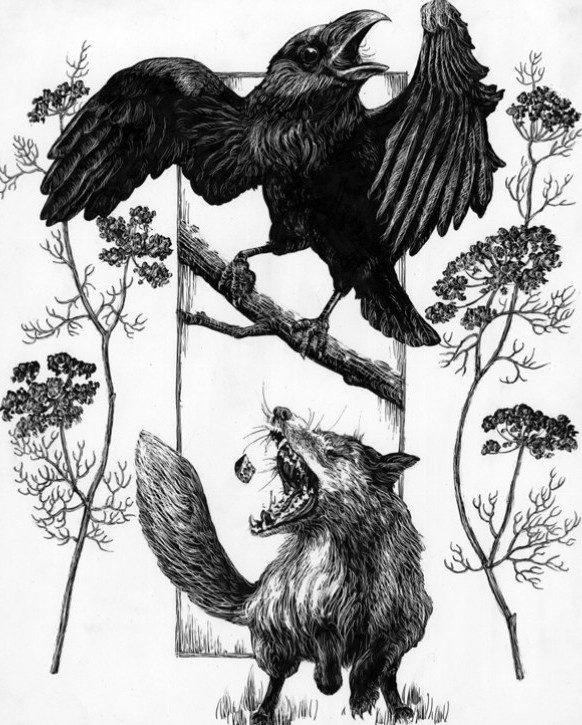
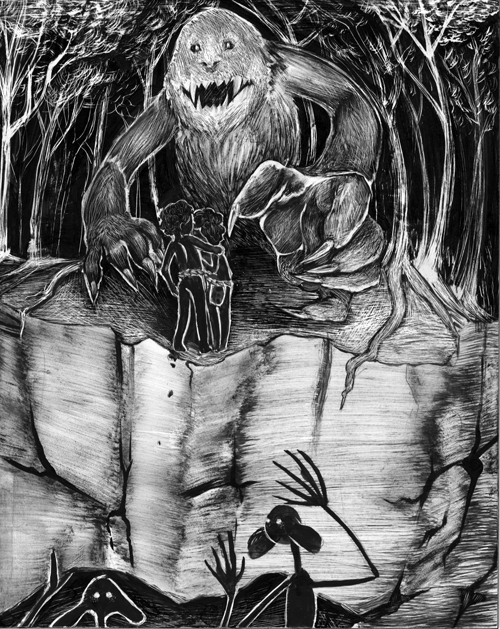
Here is a gallery of the best scratchboard images by artists in my Illustration Techniques class. I have 40 students in 2 sections this semester. This is a required sophomore level course for Communication Design majors. Not all of these students want to become illustrators, many will go on to do advertising design or interactive design.
This technique is called scratchboard, but we actually use a new material called claybord by Ampersand. It is a stiff panel covered with a fine coat of white clay. I’ve also used the scratchboard called Essdee. This fine product is imported from England, where they call it scraperboard. Essdee is harder to find, but can be ordered via Dick Blick.
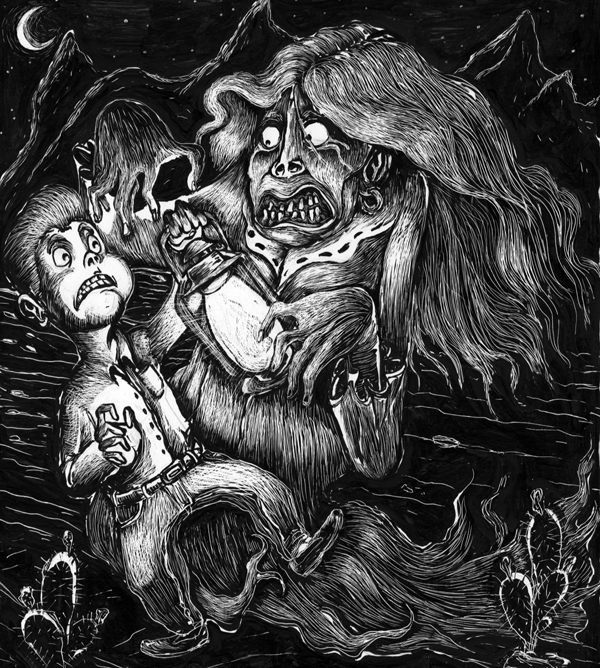
There are other materials sold as scratchboard, sometimes referred to as student grade. Alas, these are so flimsy, it is difficult to get good results. It is possible to get the claybord pre-inked in black. I prefer to use the white board in my own illustration. It also makes for a better teaching tool. The second Image above is by Rafael Nunez. Rafael was born in Mexico, where they tell a tale of La Llorona, a crying woman who snatches wandering children. This is a much darker image in style and subject. Here Rafael inked up 95% of the board, but left the boy’s face and shirt pure white to indicate the glow of the lantern.
There are a number of inspiring illustrators working in scratchboard today. Beth Krommes, of Emmaus, PA is a great children’s book illustrator working in the medium. The wonderful literary portraits on your Barnes and Noble bags are by the Canadian illustrator Mark Summers. If you have never tried it, an 8 by10 inch clayboard costs about $10. The scrathboard blade is about $2. It takes some planning, but the results can be impressive, like the work of these Kutztown students.
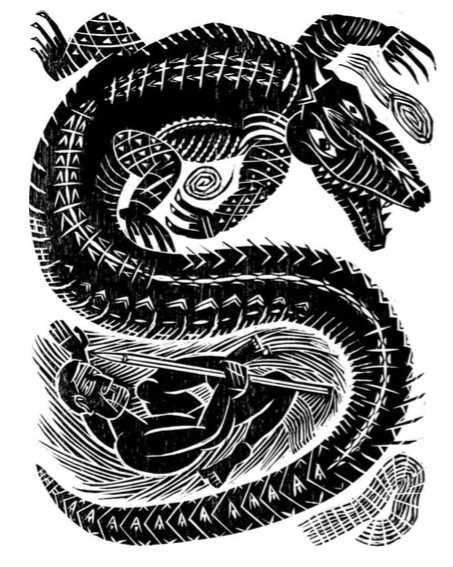
Out of the blue, Alec Dempster wrote to tell me about his new book, Lotería Huasteca. I know a good deal about Mexico, but never heard of the Huasteca. This book is both charming and illuminating. Its woodblock prints provide 54 little windows into the Huasteca culture of East-Central Mexico.
Oddly enough, last week we had a master woodblock printer from Mexico on Kutztown’s campus, Alan Altamirano. He often advised our students “dibujar sin meido” to “draw without fear.” Alec Dempster draws without fear. His gutsy woodcuts are infused with a profound respect for Mexican culture. I have traveled some of the same highways as Dempster in the mountains of Vera Cruz, but Dempster has seen much more than I. It helps that he is an accomplished musician, and although he is Canadian, he was born in Mexico. It was an invitation to a musical event that launched his Huasteca project.
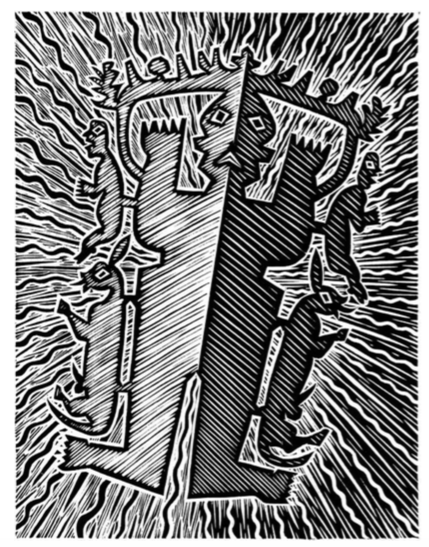
The text is accessible and informative. The prints are presented in alphabetical order. At one level this alphabetical construct seems odd, but Dempster gives a good introduction. He fashions his presentation after Mexican lotería cards, a deck used for a game something like BINGO. He manages to place the Huasteca creation myth near the beginning with the Arbol Florido pictured above. I love the image of the birds and beasts suckling at the tree’s many breasts.
Alec Dempster’s Amate illustration seems to pulsate off the page.
‘A’ is also for amate. Anyone who visits Mexico will be approached by vendors selling naive prints done on cork-colored amate paper. Dempster chooses to portray a lesser-known use for the ancient paper.
“Today Otomı shamans continue to cut out small figures from amate paper to represent a pantheon of gods associated with agriculture, rain and mountains. In San Pablito, a community in the municipality of Pahuatlån, Puebla, famous for amate paper, the paper figures are used to intercede with the gods for purposes of healing, protection and spiritual purification.”
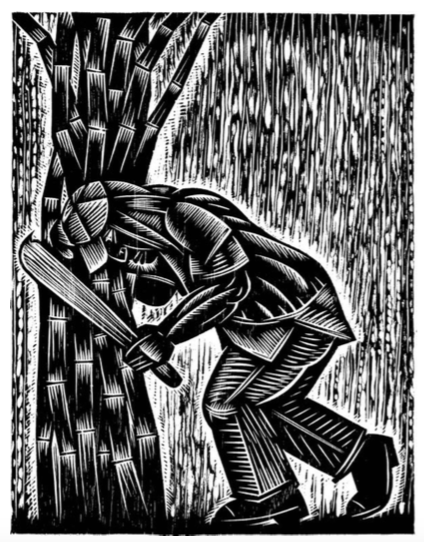
“Together with the introduction of cattle farming, sugar cane plantations severely transformed the Mexican landscape. Since the colonial era they have been the main cause of deforestation in the Huasteca.”
El Camåin
Dempster manages to convey much of the power and glory of Mexico. Every one of the images is flanked with a thoughtful descriptive essay, and Dempster’s words are as precise as his cuts.
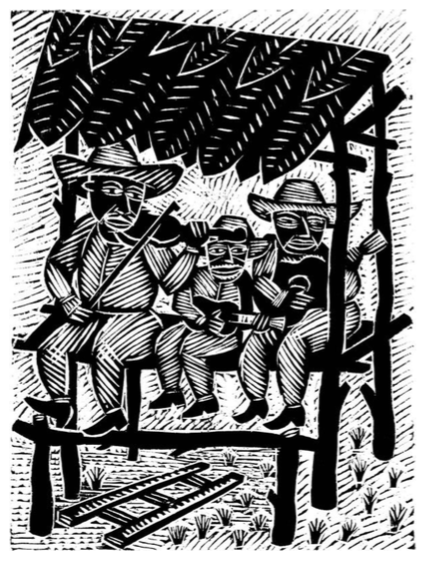
El Taronga by Alec Dempster
“This temporary wooden structure is built for musicians to play on during huapangos. It is also known as cuauhtlapechtli, a Nahuatl word meaning ‘wooden bed’.”
Huasteca is just one of many pre-Hispanic cultures that survive in Mexico. Dempster’s chronicle of the Huasteca is a moving achievement. I learned a lot, and realize I have a lot more to learn about Mexico.
Clearly, a vital heritage is still being passed down in songs, recipes, folkways and art. You can see more sample images at Scribd, here. Lotería Hausteca is published in Erin, Ontario, Canada by Porcupine’s Quill. It can be ordered here through AbeBooks.com.
NOTE: A Book Launch Party for Lotería Huesteca will be held in Toronto, Nov. 2 at the Gladstone Hotel. Starts at 7:30pm. Tickets $10 at the door, or free admission with purchase of the book! Live musical performance by Tlacuatzin direct from Veracruz.
Comanche Kiowa, Jason Lujan, 2014, serigraphy on mylar stretchers.
Alan Altamirano, the printmaker from Oaxaca, and I visited IPCNY, International Center for the Prints, NY. It can be hard to find the first time you look for it. If you walk the High Line in the Chelsea gallery district you might spot the signage in their 5th floor windows on the south side of 26th St. Enter 508 W. 26th St and you can ride an old gated elevator with a human operator up to the gallery.
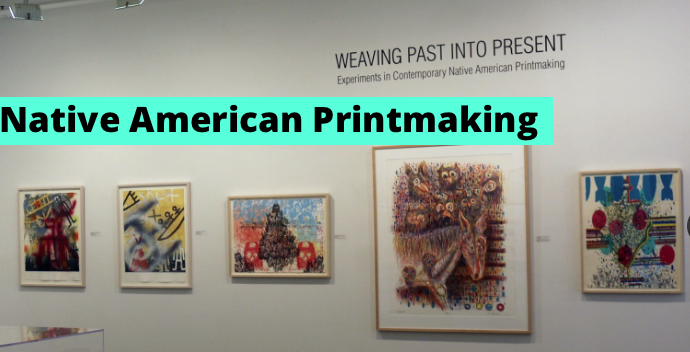
There is always something interesting there. One of the two current exhibitions is “Weaving Past into Present: Experiments in Contemporary Native American Printmaking.” There are over 40 works by artists who identify as Native Americans: Mohawk, Seneca, Navajo, Flathead/Salish, Chiricahua Apache, Cree, and more.
The work pictured above is food for thought. Perhaps the naming of military helicopters was meant to pay the Kiowa and Comanche warriors a compliment. Seems Jason Lujan sampled the graphic images directly from the instruction sheets for Tamiya plastic model kits.
Assembly instruction sheet for Kiowa helicopter model. (detail)
Earlier in the day I seen a room chuck full of Andy Warhol’s Campell soup cans at MOMA. I had forgotten his Cream of Asparagus. Warhol and Lujan remind us that appropriation is a given in the fine art world.
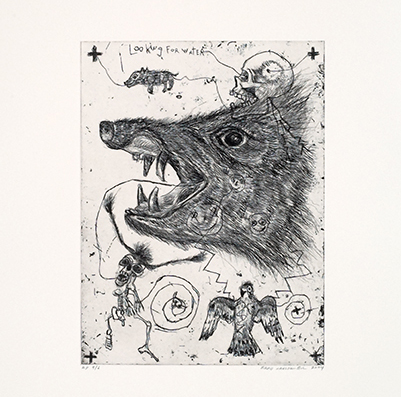
Looking for Water, Brad Kahlhamer, 2004, intaglio
I especially liked the expressionistic etchings by Brad Kahlhamer. They seem quite original and energetic. For me they evoke animal totems, handmade maps, and sketchbook art.
Henry David Thoreau Cabin 2012 by Alan Michelson. Handmade paper over balsa wood.
My friend Alan Altamirano was most impressed by Alan Michelson‘s meticulously constructed paper houses. Altamirano is quick to admit he can’t read English, but he appreciated the tonal effect of the text and he presumed that the writing was a personal reflection on the concept of home. He noted that had seen prints transformed into three dimensions before, but these he found particularly well done.
Screenshot from ICPNY website.
There are over 40 works in the exhibition in a wide range of styles. The show runs until Nov.10 and then might travel. All of the prints can be seen on the ICPNY website. There is also a contextual essay by the curator, Sarah Diver, explaining some of the specific events in U.S. history referenced by these works.
My Grandmother was an Indian. Can you tell? Lynn Allen Litho, chine collé
ICPNY’s website is worth a visit for its up-to-date list of NYC galleries specializing in prints. ICPNY is a nonprofit organization dedicated to the print, so they are not in competition with commercial fine art galleries. If you ask the staff will gladly point you in the direction of other worthwhile print exhibitions in the neighborhood. We would not have know about the Shepard Fairy show at the Pace Prints if we hadn’t asked.
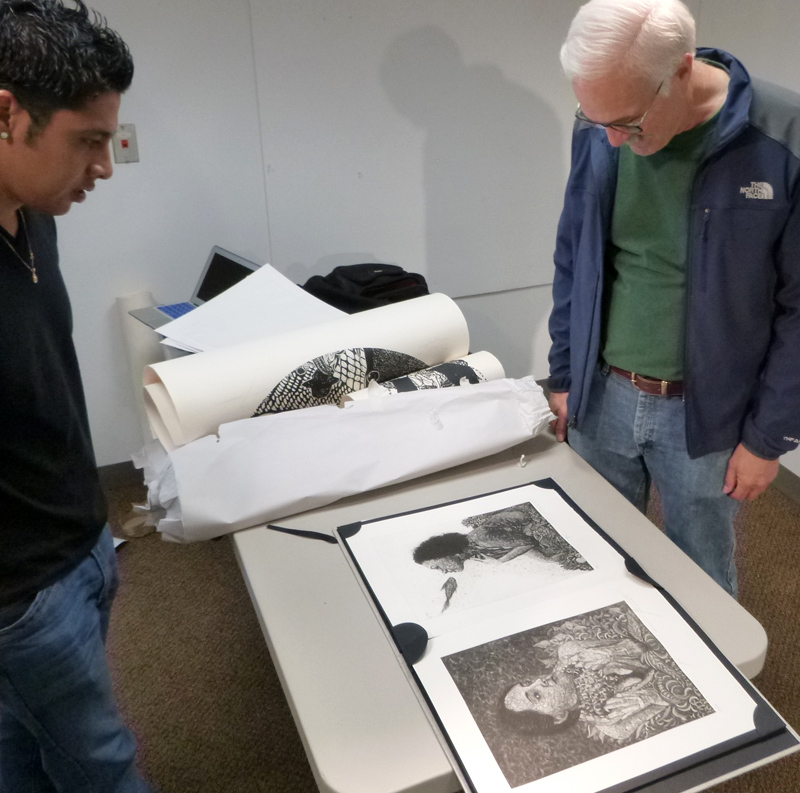
Alan Altamirano preparing prints for display at Kutztown U. photos: K. McCloskey
Alan Altamirano makes art about women, beautiful women. The 27-year old artist is from Oaxaca, Mexico, a city famed for its food and visual arts. Like many of the best Oaxacan artists of his generation he studied with Maestro Shinzaburo Takeda at the School of Fine Arts at the University of Benito Juarez, Oaxaca.
Prof. Evan Summer admires a portfolio of etchings.
Today I spent the day with Alan hanging his large-scale wood block prints in the Student Gallery in Sharadin. When printmaking Prof. Evan Summer visited, Alan shared a portfolio of etchings based on indigenous Zapotec cosmology. Even these etchings portrayed the cardinal elements: Earth, Wind, Water, and Fire as women.
One of Alan Altamirano’s grand-scale relief prints.
Some of his models he has known for years. Others Alan met for as little as an hour. In many portraits he includes decorative geometry and elements from nature. The image above is of a Puerto Rican woman he met who told Alan about her memory of her beloved uncle. Her uncle, a fisherman, was swept away at sea and drowned. The drowned man appears to her left. Another male figure, the barefoot campesino, walking across the foreground represents her father. This artwork is a stunning example of relief printing, or xilographia, as it is called in Spanish. Here, Alan carved the image not into wood, but MDF, or multi-density fiberboard.
Alan Altamirano’s extraordinary prints will be on display in Sharadin October 6-12, with an artist’s reception at 4pm on Thursday, Oct. 8. This is remarkable work. He will be on campus the following week meeting with interested students. The exhibition and his 2-week residency at Kutztown is funded by the Fine Art and Communication Design Depts. and a generous grant from the Kutztown University Sesquicentennial Committee.
Kutztown students have a unique opportunity to study with Alan in Oaxaca as part of Kevin McCloskey’s Winterterm course. Alan invites visiting artists to work in his studio. He also offers frequent workshops for printmakers at any level at his Taller Chicharra. See Norma Shafer’s Oaxaca Cultural Navigator for more images from his studio.
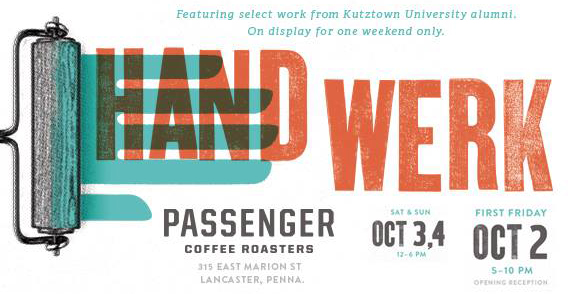
I’ve only been to First Friday in Lancaster once, but I am going again on Oct 2. It should be great. Ryan Smoker and Ryan Martin of Infantree are putting together a pop-up show at Passenger Coffee Roasters. The posters are by grads of Kutztown’s Communication Design Dept. I got a preview of some of the work in Prof. Karen Kresge’s flat file. I wrote to handful of the artists, Brian Barto got back to me.
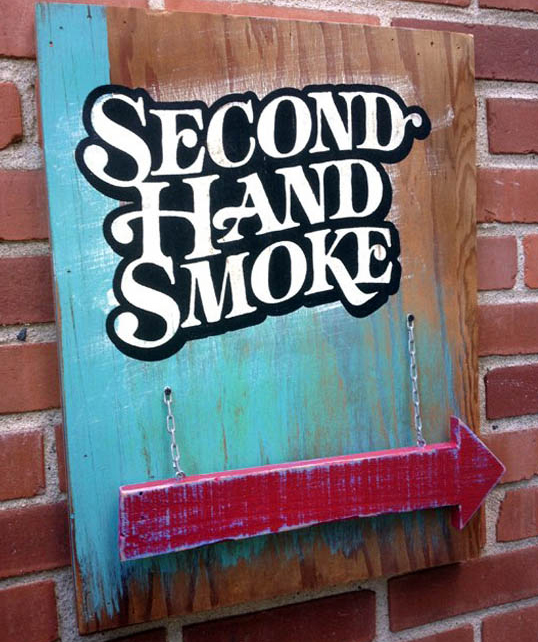
Brian has been a designer for over 10 years at Goodwin Design Group. When he steps away from the computer he likes to work with real stuff. He says he enjoys being in his home in his workshop making “pieces/fabrications/reinterpretations mixing found objects with vintage signage” The work above is constructed of reclaimed wood, acrylic silkscreen print, latex paint, and chain. Brian’s personal website, whiskeyandchocolate.com is overflowing with his work.
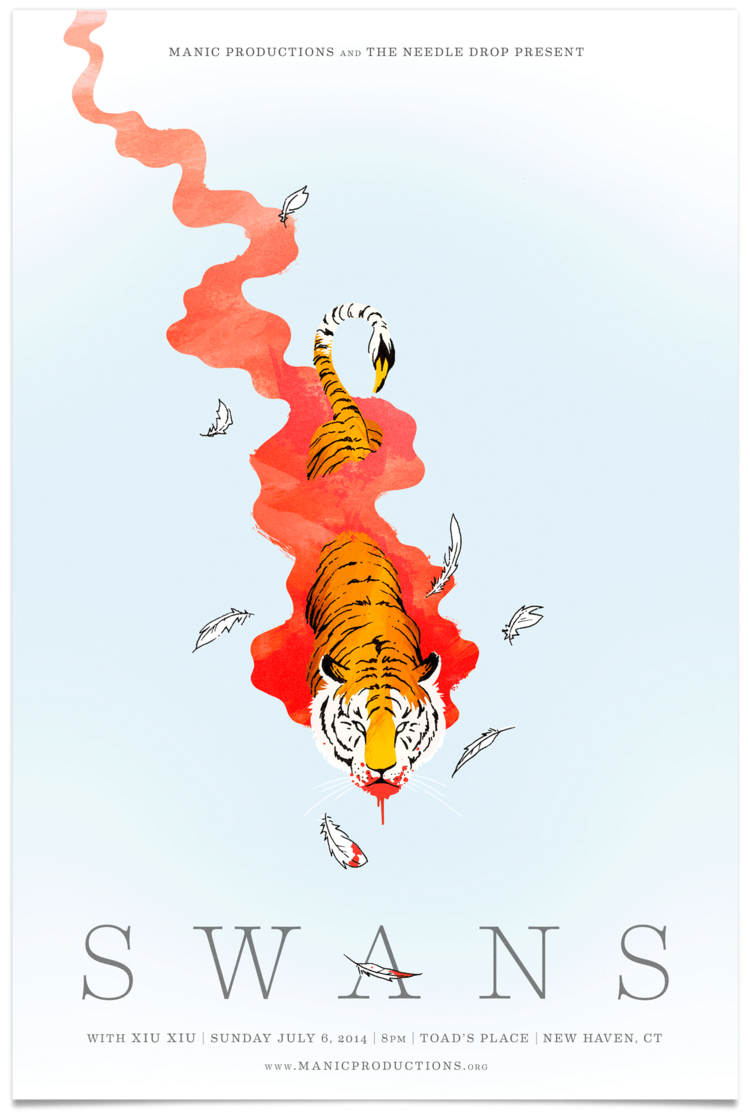
There will be some impressive gig posters. The remarkable images above and below are by Mike Katits, who once traveled to Mexico with me. He is a wild man. Mike is now a senior art director at TracyLocke in Wilton, Connecticut. A good number of our best grads work there.
Ryan Lynn was in a punk band called the Auroras while he was a student. He invited me to a gig once in a hall on Rt. 222 near Allentown. There was a sign on the wall: No smoking crack indoors. A giant leather-clad bouncer blocked my entrance to the show. Ageism, I guess. The bouncer said, “What are you, somebody’s father?”
Light and Shadow by Ryan Lynn
“Yes, I am somebody’s father,” I answered truthfully, “I want to see The Aurora.” The bouncer said,” Go away, come back in two hours, I’ll let you in. They don’t go on until midnight.” I came back. The bouncer seemed surprised. The band screamed well. I ‘d say Ryan is a better designer than guitarist. Below is his poster for Phish. Ryan sells his limited edition posters at ryanlynndesign.com for as little as $25.
Tom Whalen is a superstar in the world of collectable prints. His limited editions have been known to sell out in minutes of their surprise debut. I’ve wrote more about him here. See much more at strongstuff.net
Last time I visited Ross Moody’s website at 55hi’s, most of the work was purely typographic. Now he has a lot more illustration including a series of illustrated alphabet posters. Not sure what will be on the wall in Lancaster but I grabbed a sea themed print from his website.
Corey Reifinger has been doing some weird stuff for Johnny Cupcakes. Corey went to Mexico with me, too. I do think Mexico can expand one’s creative vision. Corey has developed a witty and graphic illustration style. Not sure I even understand the poster below, but it has rats and hot sauce and cupcakes, three of my favorite things.
Corey has a lot of wild work at this site. Google the man, he has work all over the place. The image below was lifted from the web. I’m not sure exactly which works will grace the walls at the Handwerk show at Passenger Coffee in Lancaster Oct, 2 -4. But I am sure it will be delightful.
Kathy Sue Traylor is the department secretary in the Communication Design Dept at Kutztown U. She doesn’t think of herself as an artist, but she loves to see creativity in bloom. She often pokes her head in the illustration studio to look over students’ shoulders. She always gushes over the artwork our students are creating.
Earlier this month Kathy Sue got to visit Ghent, Belgium. Her husband Bruce, who works for Mack Trucks, was sent to visit a Mack facility there. One evening walking down an alley, Bruce and Kathy Sue saw a young man in a hoodie spraying a graffiti mural on the wall.
Kathy Sue Traylor tagging the wall in graffiti alley.
Not being shy, Kathy Sue asked what was going on. The young man Matthew Dawn was wrapping up a graffiti workshop. He invited Kathy Sue to learn how to tag the wall with her name and initials. Seeing his paint-covered hands, she wasn’t sure this was a good idea. Matthew lent her latex gloves and persuaded her to give it a try. He asked her to write her name in pink to get the hang of the nozzle. Then he set her up to paint her tag a bold red K.T.
Kathy Sue’s tag: KT
Kathy Sue tells us this was an experience she will never forget. She pointed out that the graffiti changes every night and by the next day someone had already painted over her initials. She recommends checking this blog for other examples of art on the alley’s walls.
Matthew Dawn, left, and pals in Graffiti Alley, Ghent, Belgium.
More of Matthew Dawn’s work can be found at matthewdawn.com. If you visit his site you can view murals at other locations, like the example below. He is not only a fine graffiti artist, Matthew Dawn is a great cultural ambassador for the city of Ghent.