Incoming!! Chris Dacre: WAR is FUN!

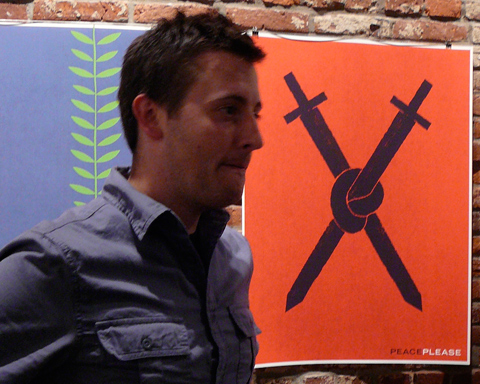
Chris Dacre (rhymes with baker) is the winner of the 2011 Sharadin Gallery Installation Residency at Kutztown University. The residency, which comes with a $10,000 budget, attracted over 150 proposals from all corners of the world.  I visited Dacre’s website to learn about his artwork. Most recently living in New Mexico, he has a BFA in Graphic Design and MFA in Printmaking. An Air Force veteran, his recent work is about how we think about (or avoid thinking about) war. His upcoming Kutztown project is called “War is Fun.” I emailed him a few questions.

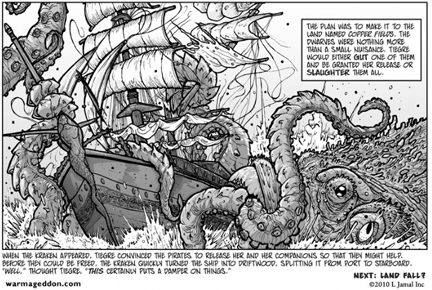
Wall Graphic "War Is Fun" installation © 2007 Chris Dacre

Ever do any illustration?

“I learned to draw by copying cartoons out of the paper when I was young and after I enlisted in the Air Force I picked up a copy of ‘Cartooning the Head and Figure’ by Jack Hamm and would use that as my primary reference tool while I was sitting at work trying to stay awake. So I guess the answer is yes and no.”

Why is there suddenly new enthusiasm for printmaking? (when lots of colleges seem to be shutting down their printmaking studios to make way for new media.)

“Hmmm. I believe Drive By Press, that Joseph Velazquez started, has brought more awareness to the medium by taking it across the country and introducing a wide variety of students to some really cool artwork. I think that was an important breath of fresh air that this medium has been waiting for… In the past -in my opinion- a majority of printmakers were making really serious, dark imagery and, of course there is still a lot of that around but Drive By Press has shown that it can be quite a fun medium without all the stuffiness that used to be associated with it.

I went to Southern Graphics this year in Philly after taking a 3-year hiatus and was surprised at the amount of people who attended that conference. It’s great to see that there is a real enthusiasm for a medium that I love.”

"Twice Removed" Chris Dacre inspecting a Bunker, © 2010

Any particular artists you found influential? I thought of Red Groom’s Ruckus Manhattan looking at your installation images.

“I do love Red Grooms and recently bought a copy of his book that is basically a retrospective of his work. After I finished my undergraduate degree in Birmingham, Alabama, I was asked if I would be interested in being an assistant to the Chicago-based artist, DZINE. That was probably one of the best things I could have done for myself. I basically helped him paint this huge painting in the gallery but what was so important was that it was my first real exposure to a “real” artist- who just happens to be blowing up lately. Chris Burden is also someone I looked at lately- I love the way that he seems to just go for it and push the limits. But the first influential artist that really opened my eyes and made me see that you can really push the boundaries is Jonathon Borofsky- in graduate school I found an article that talked about an installation that he put up in LA in the mid-80’s and it was a room that was just crammed with stuff- it may have been his retrospective, I’m not sure, but it made me see that ‘hey, I can do that as well’. Oh, and of course- Chuck Jones- probably the very first artist I looked at who drew my favorite cartoon character- Bugs Bunny.”

Installation with Sculpture, Prints, and Bunker. © 2010 by Chris Dacre

Any advice for young, college age, artists?

“I guess the best advice I can give- well maybe two bits of advice- the first being something that DZINE told me was that you need to learn about the history of artists by reading their biographies, looking at contemporary art publications and by watching movies/shows like ART21. At first when he told me this I was like “yeah, yeah, whatever” but then I realized he was right. Look at other artists and learn from them- when you get out in the art world these people will be your competition.

And the other bit of advice I can give is to make work for nobody but yourself because you have to…the work is what is most important, everything else will follow with a little bit of patience.”

Chris Dacre is looking for a few student volunteers to help him install “War is Fun.”  If you have some time, roughly between Jan. 12 and 18, contact Gallery Director Karen Stanford, stanford@kutztown.edu, or drop by the gallery and meet the artist.

UPDATE: 2/21/11 :  The Reading Eagle wrote a thoughtful review of the exhibition here.

Illustration Confidential

It is always worse somewhere. The NY Times reported on China’s “vast army of college graduates seeking professional jobs.” Gordon Chang tells the sad story of 1,100 Chinese college grads applying for 8 jobs shoveling human waste, or “night soil.” Sometimes it seems like the prospects for illustrators are just a bleak.

Art School Confidential, opening panels © Daniel Clowes, B.F.A.

Years ago, Prof. Cunfer and I went to a conference at the Society of Illustrators in NYC. Representatives from big city schools known for illustration, –Parsons, Pratt, and my alma mater, SVA, spoke about the job prospects for young illustrators. Murray Tinkleman, the moderator, asked each prof to honestly estimate what percentage of their recent illustration grads were making a living as illustrators. The highest estimate was 5%.

Kutztown Communication Design illustration grads are highly skilled and most find work in a related field. The key word in that statement is related. The pool of talented young illustrators grows, but demand is, at best, stagnant. Not long ago, every city the size of Allentown had its own newspaper editorial cartoonist. Many big city papers had multiple staff artists. Those days are gone. Newspapers are dying, and survivors settle for inexpensive syndicated editorial cartoons. These cartoons, naturally, focus on national stories, so state and local stories don’t get the attention they deserve.

The well-rounded illustrator will survive. I always advise illustration majors to take upper-level graphic design or web design classes. It is still quite possible to land a graphics design position that will permit you to do some illustration. If you have drawing skills you can save your boss, or yourself, time and money.

The other option for illustrators remains creating one’s own material. In this regard, face it, we not that different from “fine artists.” Take the image above, for example. Originally, cartoonist Daniel Clowes drew Art School Confidential as four-page story for his indie comic, “8-Ball.”  I remember the day I first saw the original art for those pages hanging at Exit Art in New York. Those four simple pages struck a nerve, and the story became viral. Eventually it became a movie starring Anjelica Houston and John Malkovich.

John Malkovich in Art School Confidential © Sony Pictures

Truth be told, the movie wasn’t half as funny as the comic, but the point is this: Nobody I know has the money or ability to make a Hollywood movie, but many illustration students have the ability to single-handedly create a four-page comic. I don’t mean to diminish Daniel Clowes’ considerable talent. His well-deserved success is the result of years of work at the drawing board. Illustrators with guts and ideas can self-publish their best ideas on paper or the web. Who knows what might be the next big thing?

There are some obvious blockbuster movies based on superhero comics: Spiderman, Superman, Iron Man, etc. There are also many fine films that owe part of their genesis to the fevered imagination of an illustrator, including: Road to Perdition, V for Vendetta, American Splendor, Men in Black, and Unbreakable.

Drawing a Shaggy Dog Named Pavlov

Pavlov, the real dog, photo courtesy Howard Campbell

Howard Campbell first told me the story of the real dog Pavlov at Zandunga, a restaurant in Oaxaca, Mexico. Pavlov is a bright and fun-loving dog, who learned a lot through positive psychological reinforcement. Pavlov had belonged to his late brother. The photo above shows Pavlov at George Campbell’s grave. Howard asked me to illustrate a children’s book he wrote about the shaggy hound. Below is how I drew Pavlov based on that one photo.

Pavlov, drawn in ink, colored in Photopshop @2010 Kevin McCloskey

Howard Campbell, PhD, of the University of Texas, El Paso, is an interesting guy. As an anthropologist he is one of the foremost experts on Oaxaca’s Zapotec culture. He also has the considerable courage to document the most terrifying stories of the border region in a new book, Drug War Zone: Frontline Dispatches from the Streets of El Paso and Juárez. Alma Guillermoprieto’s recent essay The Murderers of Mexico in The New York Review of Books called this work “so breathtakingly sensible as to amount to genius.”

He told an El Paso newspaper writing the drug book was an “arduous process because of the delicacy of the topic and the need to handle it with scientific rigor.” A Dog Named Pavlov, on the other hand, he calls a “labor of love,” a memorial to his brother loosely based on his beloved and energetic dog.

Pavlov as a Puppy

For me, it was fun trying to draw Pavlov as he grew from puppy to adult. Technically, I got to try something different. I sketched in ink on paper until I got the right likeness, then scanned the ink drawing. I open the drawing in Photoshop. There is mode in Photoshop called Multiply. Basically, it makes my ink drawing into layer that can be “back-painted.”  I used a Wacom tablet rather than a mouse to lay down the color. The end result is much like an animation cel.

Pavlov at Play

A Dog Named Pavlov, Un Perro Llamado Pavlov, is a bilingual, Spanish and English children’s book published by Stanley Publishing of El Paso, Texas. The 44-page paperback tells just a bit about the famed Russian scientist, Pavlov’s namesake, then launches into the story of the shaggy dog’s life. Most bookstores should be able to order a copy in time for Christmas, but the quickest way to get a copy if you’d like one is to order direct from Stanley Publishing though this link.

Renee French Illustrator Update Updated Even Further

Renee French courtesy Guillarme Paumier, Wikipedia Commons, http://www.gpaumier.org

Update 1/7/11:  NYC Exhibition Extended through Jan 22, 2011. See gallery link for more info: Adam Baumgold Gallery.

We’ve had over 3,200 visitors to this blog in its first five months. Thanks to the way WordPress works I’m able to see which search terms people used to get here. “Renee French, Illustrator.” is one of the most frequently searched terms. Folks enjoyed our email interview with Renee. Thanks to Dr. Tom Schantz we have some updated news about Renee to share below. Oddly enough, a lot of people also search for “French Illustrator” and end up on this blog because of Renee’s surname. I feel sorry for these people. Renee is from New Jersey.

French Illustrator, Tomi Ungerer, from http://www.tomiungerer.com

Okay, Okay, if you are looking for a French Illustrator, check out Tomi Ungerer. The man is a genius. He has his own museum in Strasbourg, France. Just this week Prof. Cunfer walked into my office with a wild Tomi Ungerer book that she found in the Reading Terminal Market. I’m so glad she reminded me of my favorite French illustrator.

Back to Renee French, illustrator and KU grad. Her latest book, H Day, got a thoughtful review from  comics scholar Douglas Wolk in the NY Times. It appeared around Halloween, appropriately enough: “Renée French’s graphic novels … tend to split the difference between adorable and horrifically gross. The wordless H DAY , its cover informs us, addresses “her struggles with migraine headaches and Argentine ant infestation.” Wolk also notes, “You can skim through the whole thing in about four minutes or spend hours puzzling over how it all fits together.” You can read the entire review just as it appeared in the NY Times here.

Here’s how the NY Daily News explains H Day“Renee French’s first graphic novel in four years, the artist illustrates her struggles with migraine headaches and Argentine Ant infestation through her haunting pencil drawings. H Day can be read both as an oblique autobiography and as a suspenseful fantasy story.”

You can meet Renee French and get a signed copy of H Day on Monday, Dec 6 at 7:00pm at The Strand Bookstore, New York, NY. She’s doing a book talk with Myla Goldberg. The Strand now has 18 miles of books. They must have a whole wall of French illustration.

Slug Girl @ Renee French 2010

SLUG GIRL, 3-D

Renee shared another bit of exciting news with Dr. Schantz. One of her characters is going to be turned into an Japanese designed action figure. In this case, it is more like an inaction figure, Slug Girl. Just in time for the holidays the resin cast figure will debut at the Galley Meltdown in L.A. this November. According to Renee, Slug Girl is “based on a drawing that was part of a series of little girls and rabbits with various ailments and prosthetics.”

The first edition of Slug Girl is limited to 100 pieces. Details at the Gallery Meltdown blog. Renee French continues to amaze. Check out her blog.Renee French’s one woman show will be up Adam Baumgold Gallery, 60 E 66th St, NYC starting on Dec. 7 through Jan. 15.  Gallery hours: Tues. thru  Sat, 11:00 – 5:30. The gallery is closed for the holidays Dec. 23 to Jan. 1.  An extensive selection of her works from the exhibition can be viewed at the gallery website.

Free Art Lessons from the Masters

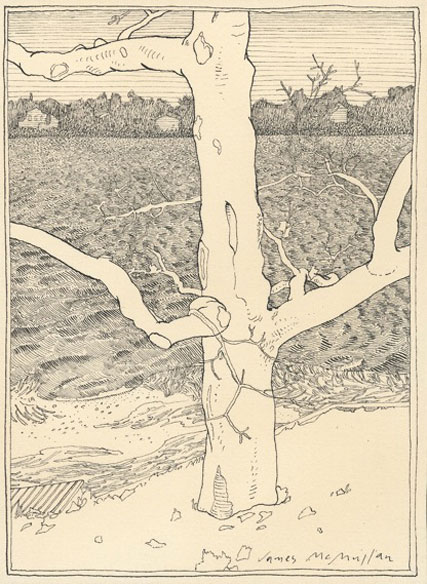
Portrait of a tree © 2010 Jim McMullan

Jim McMullan is one of the world’s great drawing teachers and he’s giving away free art lessons. For the past two months McMullan has been blogging a series called Line by Line for The New York Times. Line by Line begins, naturally, with his thoughts on line. There are lessons how to draw trees, still lives, tips on perspective, proportion, and even caricature. The lessons began Sept. 16th with this sentence,”Drawing, for many people, is that phantom skill they remember having in elementary school, when they drew with great relish and abandon.”  Here is a link to the first installment of McMullan’s drawing class. Grab some unlined paper and a sharp pencil and study with a master.
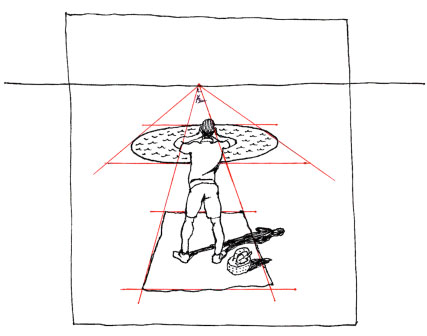
perspective exercise from NYT © Jim McMullan 2010

I studied with McMullan in 1985 working on my MFA in Illustration at New York’s School of Visual Arts. Besides McMullan, our other “art” teachers were Marshall Arisman and the late Robert Weaver. (Steve Heller taught the design history class, clearly an over-qualified bunch.) Marshall and the “Weave” ran rather loose studio classes. They were the two good cops, McMullan was the bad cop. If McMullan thought you were wasting his time, he let you know it.

McMullan gave us a structured assignment every week. And if our homework was lackluster, he let us know in no uncertain terms. Here was one assignment: Go hail a taxi. Get in. Go anywhere, and draw the cab driver and come back with some written information about the ride. A week later, half of the class had nothing, just blank paper and excuses. I’d gotten lucky with talkative cabby who listened to books on tape about photography. One of the empty-handed students claimed this taxi assignment was “impossible.” McMullan was steamed. He took the class out to the street and he hired a cab to stay put on the corner. Each of the unprepared students got in the cab for five minutes and sketched and asked a question or two and documented their encounter.

Another time a classmate had drawings of a ballerina on the wall for critique. There was a wavy blue line and a wavy red line in one the corner of the drawing. McMullan asked about the wavy lines.”That’s my personal style,” said the student proudly. McMullan asked, “You mean no matter what you see, what you draw, you are going to add those lines?”  “Yes,” said the student,” it’s my style.”

“That’s not style. That’s masturbation.” said McMullan. Now, we had all heard that word in health class, but in the context of an illustration critique, it was a shock. From that moment on, the student gave up his squiggly red and blue lines. He has since gone on to become a noted illustrator and teacher. It was twenty-five years ago, and I still remember that exchange.

http://www.marshallarisman.com © Marshall Arisman 2010

On the other hand, Marshall Arisman’s teaching style was so laid back you’d get a crick in your neck just talking to him. One dark and stormy night only two students showed up for class. Marshall said, “The hell with this, let’s get out of here. I’ll buy you guys a drink.” Across 2nd Avenue in an urban cowboy bar, I remember thinking I’ll order whatever the Maestro orders. Then Marshall says, “Campari on the rocks.”  I asked him what is Campari?  He tells me ‘an apéritif.’ I didn’t ask the follow-up question, ‘what’s an apéritif?’ I ordered a draft beer. Marshall held forth for an hour, telling loopy stories like the one he heard from the cop who found artist Mark Rothko’s body in the bathtub. Marshall sipped his red drink as he told us “old guys, like Rothko, take the time to tape their fingers with Band-Aids before cutting their wrists with a double-edged razor blade.”

One night, many years later, I had a sense of déjà vu when I saw Marshall telling tales at the bar at the Doubletree Hotel on Broad St. in Philadelphia. I was wearing an extremely loud yellow and black rayon Hawaian shirt. Marshall said, “I want that shirt!’ I took off my shirt and gave it to him. Of course, I had to leave the bar, since I couldn’t hold my stomach in all night. Marshall Arisman took a chance letting me into the MFA illustration program at SVA. I hadn’t even finished my bachelor’s degree at the time. He also told me to go into teaching illustration, and I’ve made a life of it. I surely owed him the shirt off my back.

Many of Marshall’s hippest stories can be heard at marshallarisman.com. Listening to the disembodied Arisman is no substitute for meeting the man, but his is one of the most colorful, deep blue, voices in the ether. Likewise, taking drawing lessons with McMullan via the Times’ blog is not nearly as intense as the real experience, but any interaction with these legends is worthwhile.

I’ll write about Robert Weaver another day.     -K.McCloskey
What’s SpongeBob Really Like?

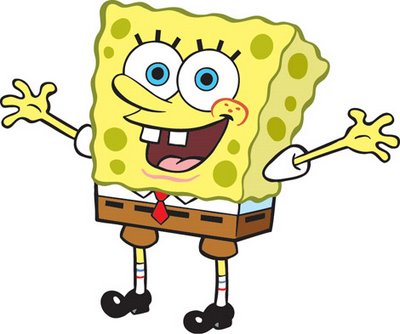
SpongeBob© Copyright 1999 Viacom International Inc.

“He is much more multidimensional than I expected!”

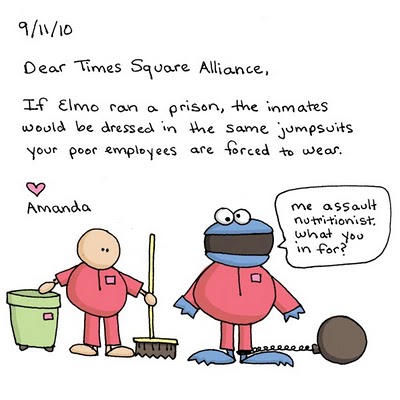
Amanda Geisinger knows SpongeBob better than most of us. She designs the Official SpongeBob website.

Amanda’s job title is “Web Designer” at Nickelodeon’s “Nick.com.” She stopped by the Communication Design Dept. last week on a rainy Friday. Originally from Stowe, PA, she graduated from KU in 2008 and gave one of the most memorable commencement addresses ever. During her speech she spoke about being a stellar art student in high school. Her art teachers and guidance counselors advised her against KU, saying, “You’re so good! Why aren’t you applying to a real art school? (Alas, some high schools are biased against state universities.)

Today Amanda has her dream job. She has a Manhattan skyscraper office on the 33rd floor with a Hudson River view. Her high school teachers were right about one thing; she is good. (So is KU’s Communication Design program.)

from Amanda Makes Things © 2010 Amanda Geisinger

Amanda’s Mom always asks her what she does, so she created a blog called Amanda Makes Things. It is filled with quirky personal cartoons, sketches and photos of New York City. Amanda likes WordPress, the same blogging tool we use here. Though she does websites for a living, she likes the simplicity of WordPress during her leisure time.

Originally Amanda got to Nickelodeon via an internship she found herself. When she first got the internship, she knew nobody in New York City. Illustrator Brian Selznick was visiting KU just before she moved to the city. Amanda asked him for housing advice and he actually hooked her up with a sublet in hip Williamsburg. After the internship, she got hired by Nickelodeon Magazine. When that magazine shut down, she says it was traumatic, but she landed on her feet at the website, Nick.com.

At Nickelodeon magazine she was the “Comics Designer,” and worked with famous artists including Jeff Kinney, creator of the Wimpy Kid. She has worked with many famous cartoon characters. I asked her, “What is SpongeBob Squarepants really like?”

SpongeBob© Copyright 1999 Viacom International Inc.

“He is much more multidimensional than I expected. One of my jobs at Nick.com was to watch every SpongeBob episode from the last ten years to select screen grabs for the website. So, I’ve seen a lot of different sides of SpongeBob. He’s great to work with.” She recently designed the SpongeBob Mystery page in two days.

Only a select group of approved illustrators are permitted to draw SpongeBob, but Amanda is allowed to design using their approved artwork. An example being this SpongBob button:

Advice for students? Amanda: “Figure out exactly where you want to go. Go for your dream internship. It worked for me! It can happen, because they don’t have to pay you. Try to work for free after you graduate and they will think you’re crazy.”

I asked Amanda for three pieces of advice for illustrators. Number one: “You absolutely need a web site. It doesn’t have to be fancy. At the magazine we never looked at an illustrator without a website, and for each job we looked at hundreds of illustrators. Sites need to be simple to navigate.” Amanda says it is best to avoid using Flash, the Adobe software which doesn’t allow “grabbable” images. Amanda explains she often needed to grab files to share with an art director.

Number two piece of advice: “Don’t underestimate old-fashioned forms of contact. Good postcards, for example, are keepers. Just make sure to have a web address on the postcard.”

Number three: “Location doesn’t matter as much as it used to, however, it is good to be in the same time zone as the client.” She has worked with illustrators from Europe and Asia, but illustrators in the same time zone have one small advantage, – art directors know when they should be awake. So, wake up, illustrators!

UPDATE: Since SpongeBob gets so much interest, I contacted Robert Dress, a freelance illustrator for several SpongeBob books. Read more here.

Directions to Prints Gone Wild, Secret Project Robot

Some of us from Kutztown U are heading for Prints Gone Wild 2010 at Secret Project Robot, 210 Kent, Williamsburg, Brooklyn. The directions are hard to find, and according to Secret Project Robot’s website the Google directions are wrong! So I’ve cut and pasted the subway instructions here: Directions: L train to Bedford Avenue; walk towards Metropolitan Ave. On Metropolitan turn and walk towards the water. Located on the corner of River and Metropolitan. River St. is one street below Kent. The entrance to Secret Project Robot is through the arch doors on the Loading Dock.

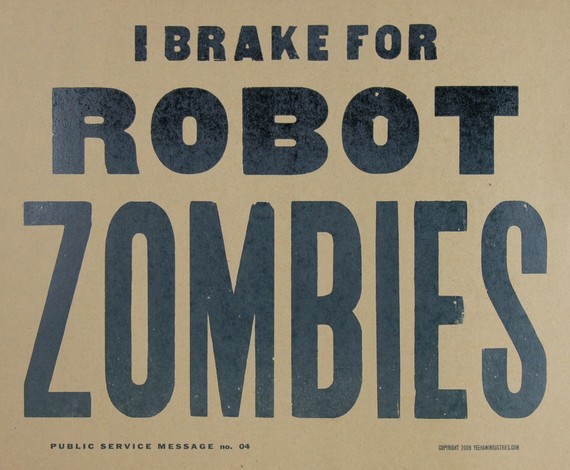
Limited Edition Letterpress Print © Yee-Haw Industries

Cannonball Press hosts Prints Gone Wild,  a show and sale of new prints priced within reason! 50 bucks or less. Yee-Haw Industries will be there. A sample of their letterpress work appears above.  Sean Starwars, see below, will be in attendance, with James Chase assisting. Tom Huck’s Evil Prints (Huck, Lovell and Julia Curran) and Evil Bootcamp alumni will be there, and, I think, Pittsburgh’s TugBoat Printshop and JustSeeds, too. Too much excitement!

Shut Up America © Sean Starwars

PRINTS GONE WILD: Fri. Nov. 5th, 6pm-12am, Opening reception. Sat., Nov. 6th 12-6pm, Print Fair.

Ancient Chinese Illustration Show in Buffalo

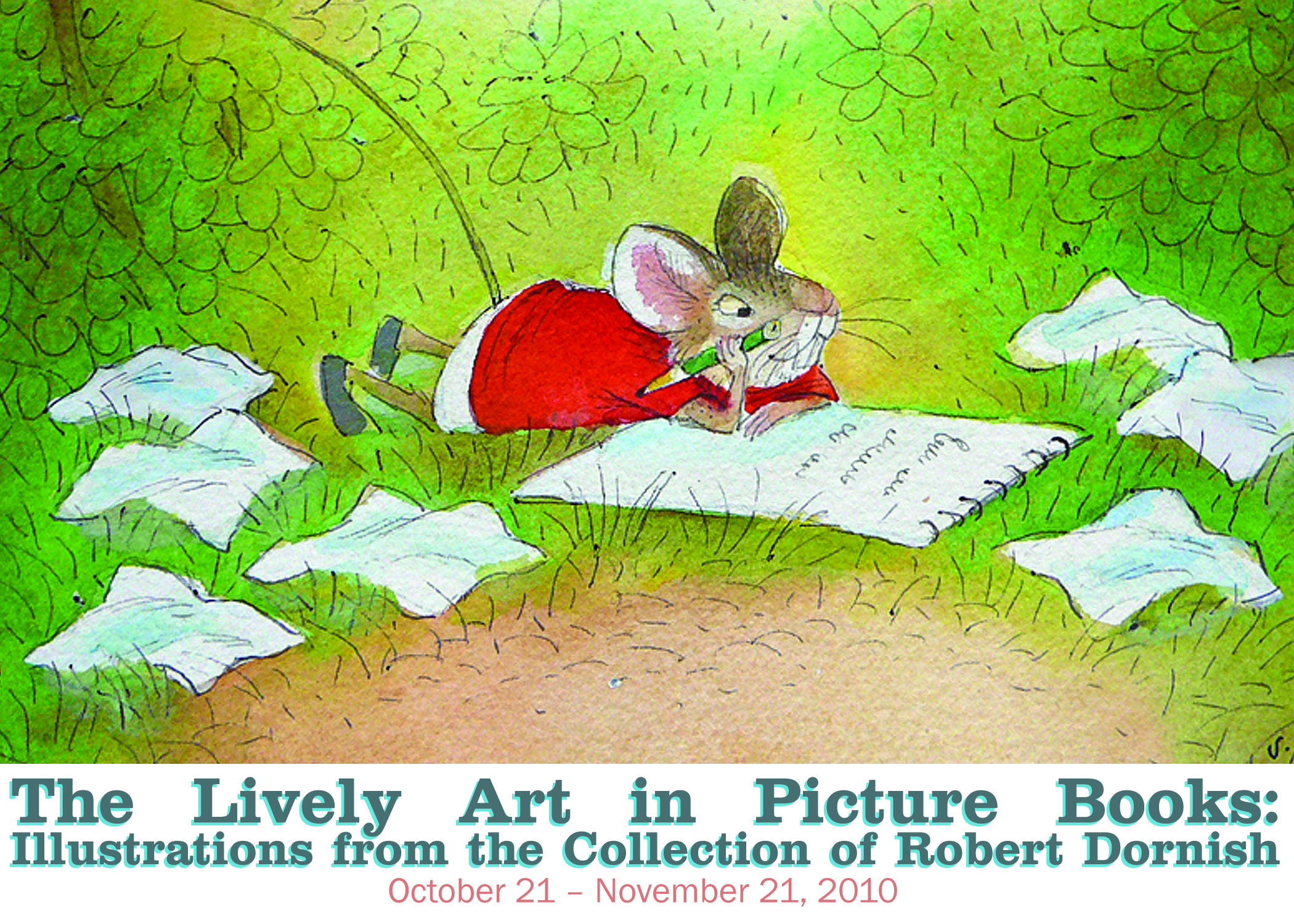
Click Here for Info on “The Lively Art in Picture Books” at KU’s Sharadin Gallery, Oct 21-Nov 21.

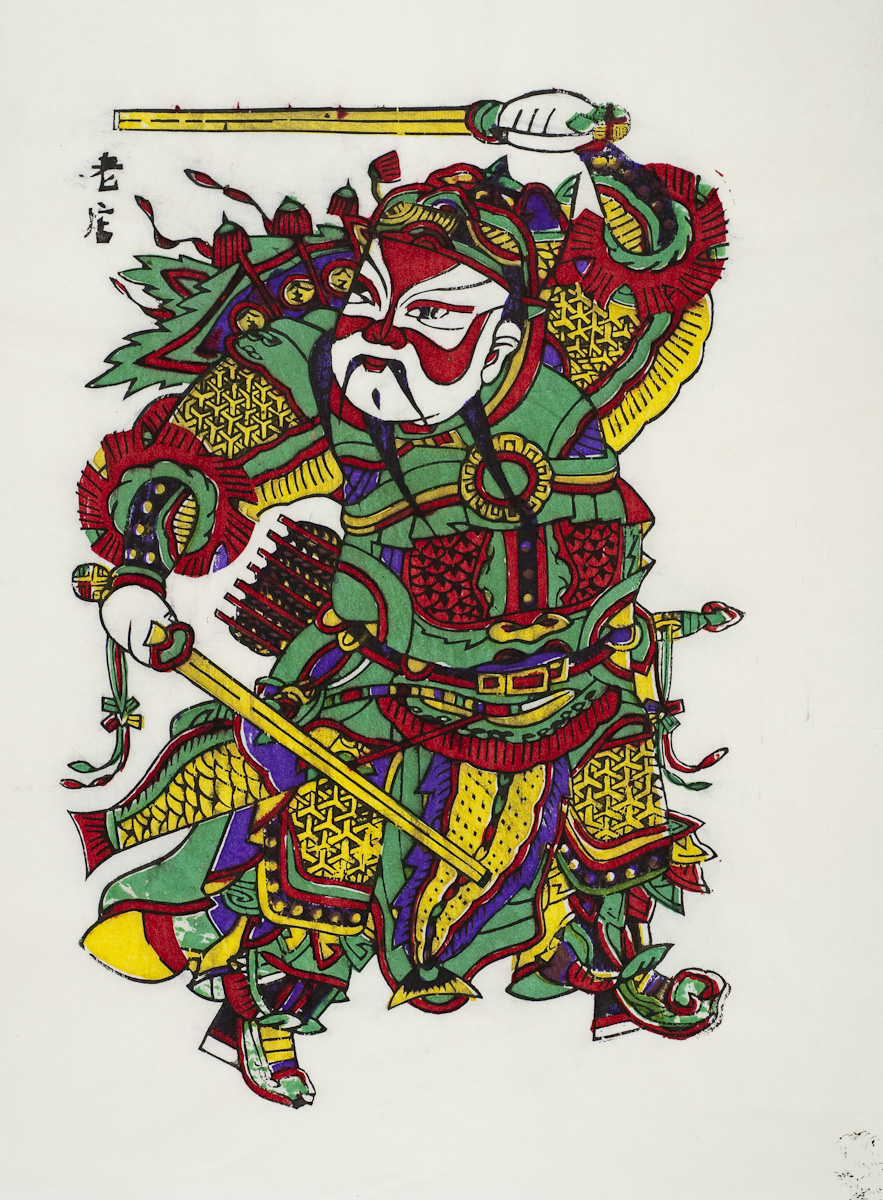
Folk art illustration of Henan Warrior, courtesy Buffalo State College

Richard Ross taught illustration at Kutztown during the 90’s.  He moved on to Buffalo State College where he is now the Communication Design Program Coordinator. He has been traveling across China in recent years, most recently with another Buffalo State Professor, Lin Xia Jiang. Their travels took them into the ancient markets of Lhasa in the Himalayas, villages and towns in Henan, earthquake refugee camps in Sichuan, and Uzbek yurts in Xinjiang.

They collected hundreds of illustrated Chinese New Year’s poster prints (some made from original woodblocks dating back to the late Qing dynasty) as well as Tibetan Thangka paintings and wood carvings, and tapestries from the Tajik people in Xinjiang. Much of the work will be on display in Buffalo for an exhibition entitled Chasing Chines Folk Art. In addition to these unique cultural artifacts, the exhibition features photos, music, and videos of indigenous people and landscapes that provide context for understanding and appreciating these vanishing artistic traditions.

Show runs 11/2-11/12 at Buffalo State College’s Czurles-Nelson Gallery, Upton Hall. More info 716-878-5252.

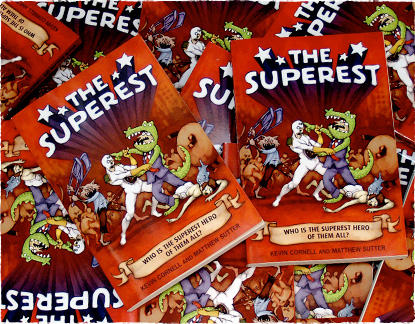
Sutter & Cornell, The SUPEREST

Click Here for Info on “The Lively Art in Picture Books” at KU’s Sharadin Gallery, Oct 21-Nov 21.

New Books by Successful KU Artists:

The Superest is a book based on a drawing game of dueling superheroes by KU grads Kevin Cornell and Matthew Sutter. The rules of Superest are : a) Player 1 draws a character with a super power. b) Player 2 then draws a character whose power cancels the power of the first character. c) Repeat. Now you can do it, too.

Kevin Cornell and Sutter (he goes by his last name, like Usher) played the game so long that they got this slapstick book out of it, available at Amazon.

Sutter began publishing a comic called Bean in the Keystone; then he collected Bean’s greatest hits into funky Xerox zines. One early Bean zine came with a pack of matches glued to the cover; try getting that on a plane. His output has been steady, and his production values have improved. Picnic Mountain was a handsome collection with a silk-screened cover on kraft paper. His latest anthology, published by LULU, is Return to Picnic Mountain.

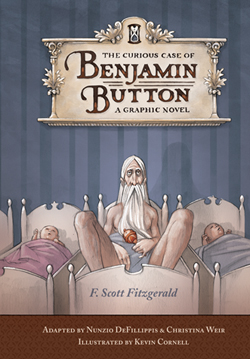
Martin Lemelman told me I’d be impressed by Kevin Cornell’s graphic novel version of The Curious Case of Benjamin Button. One reviewer called his illustrations “gorgeous” and I agree. Kevin did an outstanding job. He was good enough to share some of his preliminary sketches here on his award-winning website.

I didn’t know the original story of Benjamin Button was written by the great American writer, F. Scott Fitzgerald. This book has that story adapted for the graphic novel format by writers Nunzio DeFillippis and Christina Weir.  The afterward by Prof. Donald Sheehy, Ph.D, Edinboro U. of PA. adds fascinating insights into the creation of Fitzgerald’s original short story. I read a fair number of graphic novels and this is one of the finest examples of a literary adaptation I’ve ever seen.

Every Picture Tells a Story -The Dornish Collection

From "What's the Big Idea, Molly?" ©2010 Valeri Gorbachev

Kutztown University Sharadin Gallery

Opening Thurs, Oct. 21, 4–6 p.m.

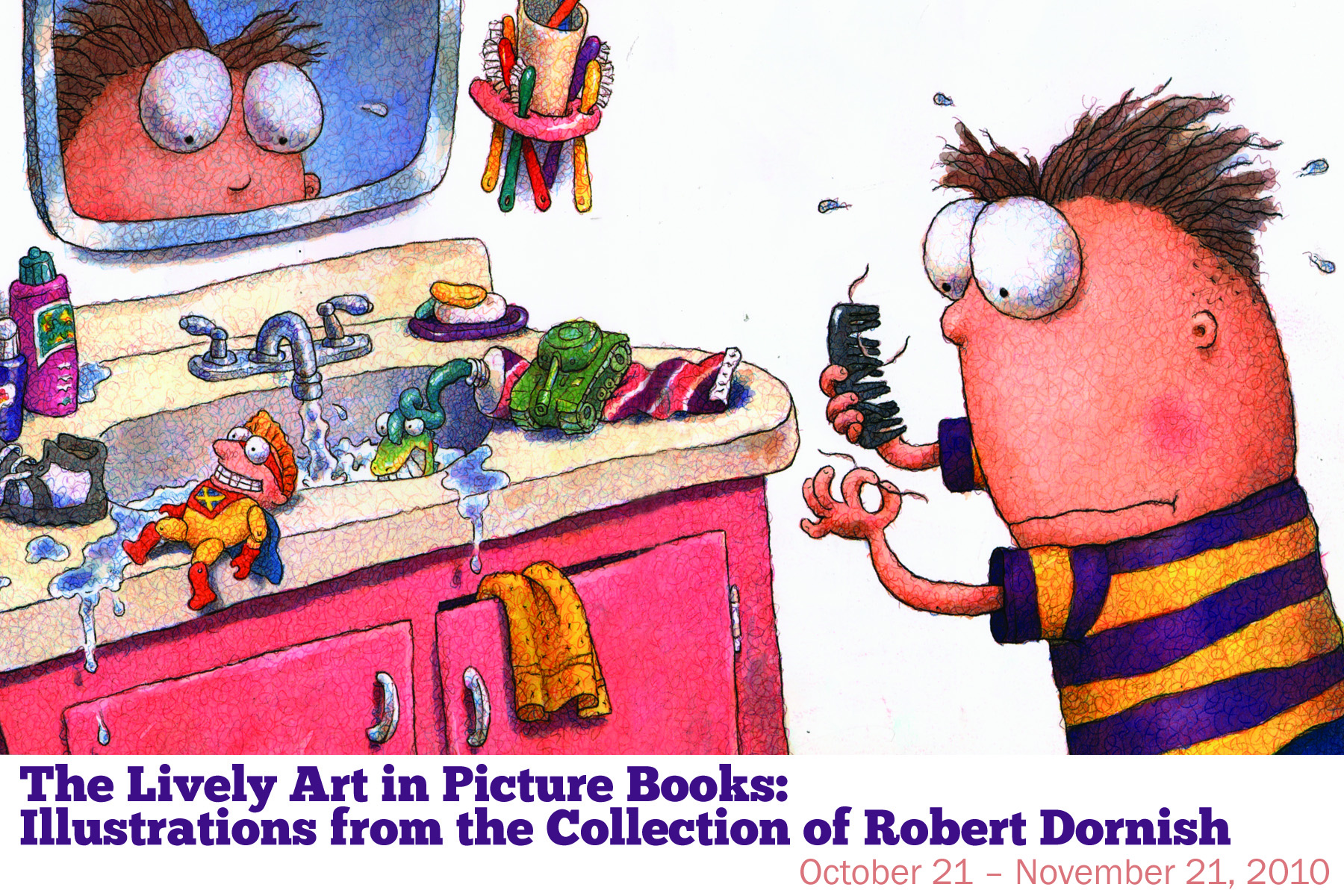
Rare treats await visitors to Kutztown University’s Sharadin Gallery this fall. The exhibition features over 75 original works of art created to illustrate children’s books. This is an opportunity to view a wide variety of artistic media, oil, mixed media, watercolor, and a remarkable diversity of styles from some of the world’s best-known illustrators. Included are works by Wendell Minor, Tedd Arnold, Robert Sabuda, Brett Helquist, Gennady Spirin, Valeri Gorbachev, Tomie dePaola, and Caldecott winners Uri Shulevitz, Gerald McDermott, Jerry Pinkney, and Leo and Diane Dillon.

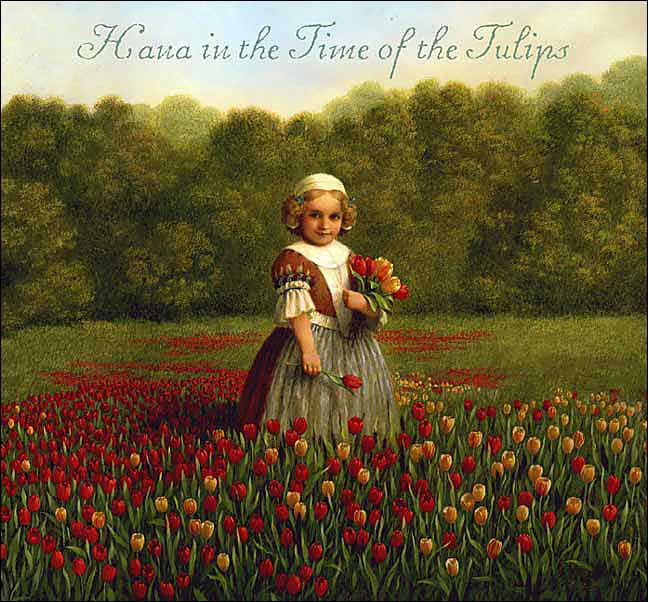
"Hana" from the Dornish Collection © Bagram Ibatoulline

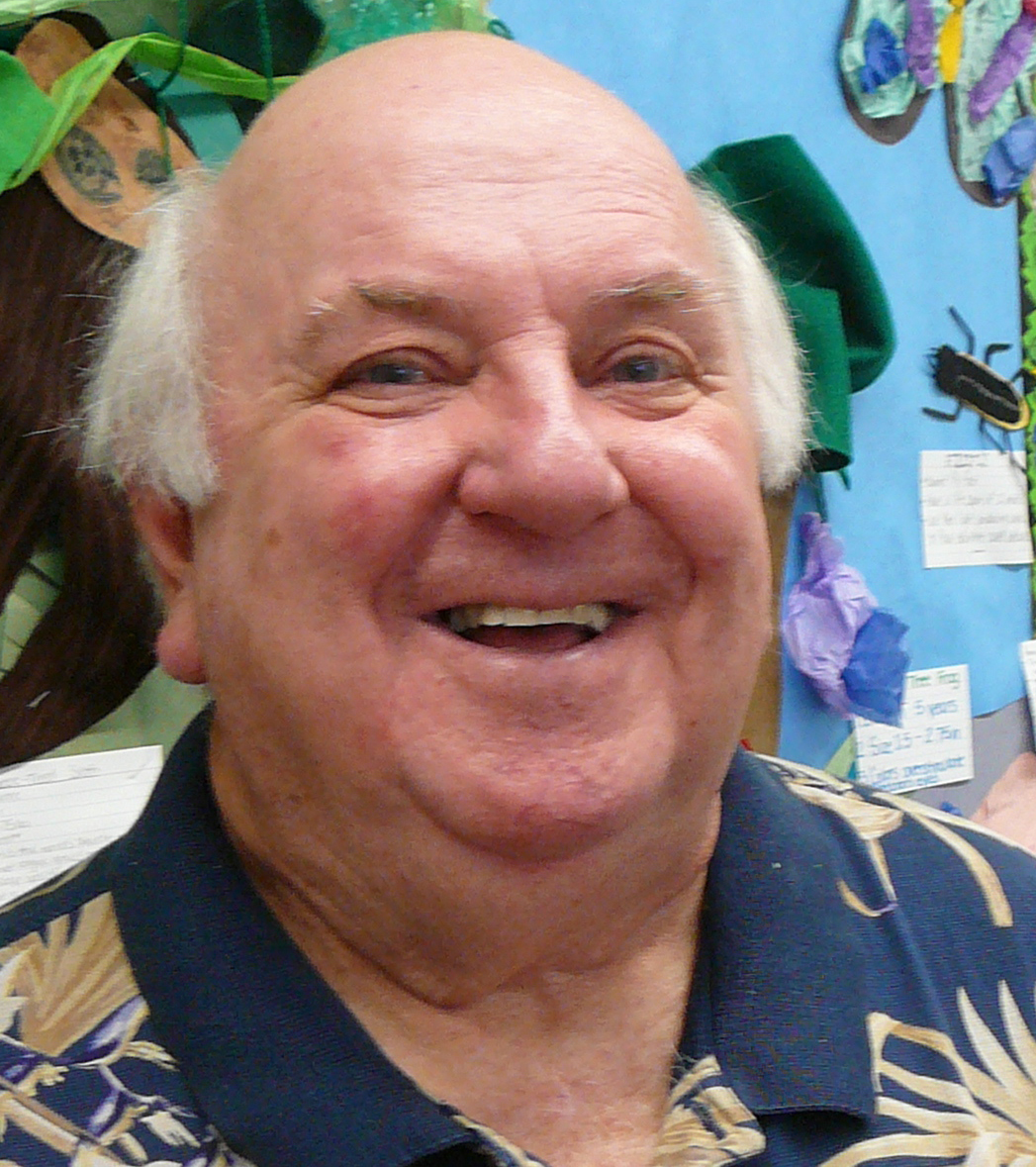
Dr. Robert Dornish, Kutztown University Professor Emeritus, taught for over 28 years in the Elementary Education Dept, beginning in 1969. He fondly recalls the point in his career when a last-minute change of schedule found him teaching children’s literature. While he and his wife Alice often read classic literature aloud to their own children, for his new course he sought out the best in current children’s books. At conferences and bookshops, he struck up friendships with many of the nation’s leading illustrators. He began collecting signed first editions, many now housed in Kutztown’s Rohrbach Library.

Dr. Robert Dornish

After the book collection came the collection of original art. It began with a single painting, when Alice gave him a large oil landscape by illustrator Thomas Locker as a gift. The collection has since grown to nearly 180 pieces. Portions of the collection have been exhibited at the Reading Museum and the Kemerer Museum of Decorative Arts, Bethlehem. Individual pieces have been exhibited in museums nationwide, including the Allentown Art Museum, the Brandywine Museum, and the Orlando Museum of Art. The Kutztown selection is the largest number ever exhibited.

Highlights of this show include a 3-D pop-up model of Robert Sabuda’s 2003 version of Alice in Wonderland and works by a number of Pennsylvania artists. Two Kutztown alumni are included: Erick Ingraham and Tom Warburton. Ingraham has illustrated over a dozen award-winning books; his contribution is a painting from Faye Gibbon’s Night in the Barn. Warburton, a Communication Design grad, the creator of the animated series CodeName: Kids Next Door, is now writing and illustrating books. Art from Warburton’s 2009 book, 1000 Times No is one of the most recent additions to the collection and the exhibition.

Dates: October 21 – November 21, 2010.  Opening Reception: Thursday, October 21, 4:00 – 6:00 p.m Sharadin Gallery, Kutztown University. Dr. Dornish will be at the reception (which happens to be his 73rd birthday) and he will lead an informal gallery talk on Sat. Nov. 6 at 2 p.m. Gallery and events are free and open to the public.

Art from "Parts" © 1997 Tedd Arnold, used with permission of the artist