Artists should know about two Julia Camerons. There is the Julia Cameron we talk about in the History of Graphic Design. A pioneering portrait photographer, Julia M. Cameron grew up in Ceylon, modern-day Sri Lanka. She moved to the Isle of Wright off the coast of England and was a neighbor to many British VIP’s including the poet Tennyson. She was nearly 50 years old when she got her first camera as a gift from her children and began her career as a photographer.
1867 photo by Julia Cameron of her niece, Julia Jackson
Julia Cameron was there at the beginning of the art form. She took a famous portrait of her neighbor, the scientist Sir John Hershel, who it is said invented the words “photography”, as well “positive” and “negative”as terms related to the photographic process. Her work was unlike anything else done at the time. Her portraits have been described as sensitive, evocative, and soul-searching.
The other Julia Cameron is a writer we talk about in Visual Thinking class. She’s been a journalist for Rolling Stone, a novelist, playwright, and screenwriter. She also does motivational coaching for creative types. Her bestselling book on the topic is called The Artist’s Way. She promises one can end writer’s block, or artist’s block, by following a few simple techniques. One is called “morning pages,” sort of automatic writing at dawn. As I recall, Ms. Cameron claims it takes about 7 persistent weeks to get a creative breakthrough this way. Her other technique is the artist date. This concept works for me.
According to her website, www.theartistsway.com, the “Artist Date is a once-weekly, festive, solo expedition to explore something that interests you. The Artist Date need not be overtly “artistic”– think mischief more than mastery.” Julia Cameron generously shares more details in a 16-page downloadable chapter in pdf form that can be found on the bottom of her basic tools web page. The first part of the chapter deals with the pages, the second with the artist dates.
I became a fan of the solo artist date idea after I stood in the Met in a room full of French impressionist paintings with an old friend who had no interest in art. He said to me, “So, you are an artist, are these any good?” I was dumbstruck. I realized for the sake of my creative soul I would need to return to the museum alone. Never go to a museum with someone who doesn’t want to be there.
A Personal Note: My most recent Artist’s Date….
Fiery Pool image from the Peabody Essex Museum
I always prefer a cheap date and when I was in St. Louis at Evil Prints, I got lucky. My brother Brian emailed me a review by his Facebook friend Josh Berman recommending the Maya art Exhibition, The Fiery Pool, at the St. Louis Art Museum. I got up early on Friday morning and took the light rail out to Forrest Park. The St. Louis Art Museum, SLAM for short, is impressively situated on a hill overlooking a great lawn. Oddly enough, it has griffins on its rooftop, just like the Philadelphia Museum of Art.. The front door is guarded by an enormous statue of Saint Louis on horseback. I was so excited about my date that I arrived before the museum opened, so I sketched the equestrian monument waiting for the doors to open.
When the doors opened I found the museum is free on Friday, not only that, even the special exhibitions, including the Fiery Pool was free. Thank you, St. Louis Museum of Art! The show was astounding. I had read that the Maya so respected their artists that artworks, like relief sculptures, were often signed. Reading is one thing, but actually seeing a Pre-Columbian artist’s signature on a portrait of a king changed my way of thinking about the Maya. The exhibition included many marvels including a metal shield retrieved from the sacred pool at Chichen Itza with a rare illustration of a Maya naval battle. Beyond the warring boatsmen a horizontal line was inscribed, suggesting the point where sea meets sky. According to the gallery notes this horizon line is the only known use of perspective in Pre-Columbian art. I still need to think about that.
Portrait of a leader, signed by the artist, from "Fiery Pool" exhibition
There are over 90 priceless Maya artworks in this exhibition which originated at the Peabody Essex Museum in Salem, Mass. SLAM is the last stop on its U.S. tour, funded, in part, by the NEH. The Fiery Pool is on view until May 8, 2011. If you are in the area, it makes for a nifty artist’s date.
Shannon Collins stopped by the blog and dropped us a line. She won the Kutztown Senior illustration award when she graduated in 2006. She is now the editor at Bucks & Montgomery Living Magazine. The word ‘Living’ in the title means it covers everything but zombies in those two Pennsylvania counties. Shannon wrote an interesting travel story for the mag last month, a guide to the Brandywine Museum, a great place to savor the work of Pennsylvania’s great illustrator N.C. Wyeth.
Shannon is still doing illustration, and having some success as noted on her website. Her artwork and illustrated journals are on display an Urban Outfitters stores worldwide. She is fascinated with “old yearbooks, antique board games, vintage advertising, pop culture and furry critters. With colored pencils, markers, and acrylic paints, I attempt to translate these idiosyncratic preoccupations with pets, people and puns into obscenely adorable art.” Her favorite medium is colored pencils on wood. She has high-quality color prints like the ones above and below for sale for a little as $10 at her Etsy site.
A portion of the profits from her animal prints is donated to the Etsy for Animals charity of the Month. If these critters seem a tad familiar last year they were exhibited at the Philadelphia Airport Terminal Gallery.
Shannon asked if I remembered her. Of course I do, I was able to place a sample of her quirky illustration work in a 2006 textbook that I contributed a chapter to called Teaching Illustration, edited by Steven Heller and Marshall Arisman. It was page of a mini-comic about her on-the-job adventures refilling the salad bar in an all-you-can eat buffet restaurant. She has come long way!
Many thanks to Shannon for getting in touch. Calling all Kutztown Illustration alums, be like Shannon, and please get in touch. We’d love to showcase what you are up to!
Martin Lemelman, beloved Kutztown illustration faculty emeritus, shared some good news. He learned that his graphic novel, Two Cents Plain: My Brooklyn Boyhood was chosen by The New York Society Library as a winner in the 2010-2011 New York City Book Awards. He didn’t even know the book was in the running. Martin was on campus recently and told us he is at work on a new graphic novel project. It is still in the gestation period and he doesn’t want to jinx it, so the project will remain a secret, for now.
Panel from Two Cent Comics Martin Lemelman 2011
Meanwhile, he has been experimenting with web comics on his blog, www.twocentcomics.com. The panel above will give a sample of the flavor of his latest work.
Speaking of web comics, James Pannafino, KU alum, now Millersville faculty, recently visited our illustration class to talk about business models for web comics. He explained there are ways to monetize web comics include Google ads, merchandise, t-shirts, cups, and print-on-demand books. I was already familiar with Kickstarter, the web fund-raising platform for creative artists. James had an interesting take on Kickstarter, calling it a way to “pre-sell a comic book project.”
Basically, you run you idea up a the Kickstarter flagpole, and try to entice folks to support you vision. James said a comics artist might offer free computer wallpaper for any donation, a signed copy of the comic for $10, a print for $20 and, maybe, a signed original page for $100.
I just popped over to Kickstarter to find a good example of this illustration business model. I searched for comics, found an interesting one. Jim Hill of Portland, Oregon has a wild idea combined with a crisp illustration style, and a good pitch. Apparently, it is his thesis project, a graphic novel called The Dead Don’t Die, about zombies in the Old West. At this date, 3/21/2011, Jim Hill already has $2,402 pledged from 56 backers, more than enough to do the book. Of course, not every Kickstarter idea is successful in getting funded.
News From Evil Prints, St. Louis
Tom Huck and Tony Fitzpatrick
I promised an update on my trip to St. Louis to visit Tom Huck at Evil Prints. Huck hosted the greatest St. Patrick’s party I can remember, and topped that with ‘The Printbangers Ball’ at the Atomic Cowboy. As an alum of Huck’s 2010 Woodblock Bootcamp, I was invited to join in the festivities. On St. Patrick’s Day, the extraordinary artist Tony Fitzpatrick, blew in from Chicago for the festivities. I had met Fitzpatrick once before when he came to Kutztown as a visiting artist around 1990. Huck credits Tony with naming and founding the Outlaw Print movement. The fact that Tony Fitzpatrick left Chicago on St. Pat’s Day gives you some idea of his high regard for Huck and the artistic community Huck has fostered in St. Louis.
Bill Fick, who literally wrote the book on printmaking was there, and Martin Mazzora of Cannonball Press. Huck flew up the Mexican master, Artemio Rodriguez for a week-long residency. Etcher Micheal Barnes brought a gothic iron see-saw, that doubled as a printing press. You had to see it. I didn’t get a good picture, but there is one at the site, nonindigenouswoman.com. I traded prints with my friend John Fronza. John also participated in Dennis McNett’s Wolfbat a print-covered warship that rolled from Evil Prints to the Atomic Cowboy on Saturday night. I asked Dennis if he had police permits for the parade, he told me he lives by the wise words, it is often “simpler to ask forgiveness than to ask for permission.”
Huck dearly loves comics, so I made a one-shot comic zine based on his amazing artwork and equally amazing life story. I carved a woodblock for the cover art and the centerfold, but resorted to scratchboard, and India ink for most of the interior pages. Here’s a picture of Huck reading the zine; I know he enjoyed it.
If you would like to study woodblock printing with a master in a fantastic studio for a very reasonable price, Huck’s Bootcamp 2011 is open for enrollment. He’s got two sessions, one in June, one in July. Kutztown printmaking major Josh Dannin is heading out there, hey, maybe you can carpool!
Wanna’ buy the zine, Tom Huck: A Life Out of Line? Get in touch with me, or visit Moonpenny Press.
Some critics say Tom Huck is the greatest American artist working in woodblock today. While others might dispute that ranking, he is certainly among the handful of modern masters that includes Bill Fick, Endi Poscovic, and a few others, depending who you ask.
Huck runs Evil Prints, a state-of-the art print studio in a borderline neighborhood of St, Louis. Most university print programs would envy his work space and presses. Huck is surrounded by an entourage good-looking women, and bad-looking men.
Tom Huck and Stephanie, a studio assistant
Printmakers are an odd lot. Huck is odder than most. He throws wild ‘performance’ parties. He is sponsored by Pabst Blue Ribbon. He tours Central Europe with the heavy metal rock band, Moterhead. Until last year, he somehow managed to juggle his wild side with another life as a faculty member at Sam Fox School of Art and Design, Washington University, St. Louis. Something happened.
Huck in his office with California printmaker Jason Bonilla
Something he said or did led W.U. to let Huck go. According to press reports he did not go gently in that good night. From what I can gather he hired a lawyer and negotiated a settlement. Let’s assume the settlement includes a non-disclosure agreement, since Huck will talk about anything other than his separation from W.U.
This week, his old school, Washington U. is playing host to SGC, the biggest, most respected printmaking conference in the U.S. Huck was not invited to participate. He doesn’t take slights well. He decided to mount his own week-long alternative conference “Evil Week” at the same time, as a response to SGC. He has a one-man exhibition at the St. Louis University Museum of Art. He’s got a red bus to serve as a free ferry from the SGC conference to his big event, the Printbanger’s Ball.
Huck says Home Depot has decent birch ply & superior hot dogs.
Artemio Rodriquez, a great Mexican printmaker is artist-in-residence at Evil Prints for the week. Of course, there will be a St Patrick’s day party on March 17. Looks like there will be one hell a Wolfbat War Vessel parade directed by Dennis McNett. There is Pub Crawl Scavenger Hunt, –order a Pabst at any of Huck’s favorite dives and you might snag a limited edition coaster with a print by Huck or guest artists including Bill Fick, Gary Panter, and Sean Starwars. Best place to read about the Evil Week events is EvilPrints.com. Also check out Printeresting, the most dependably readable printmaking blog for the scoop on Huck’s alternative activities.
McCloskey and Huck
As a 2010 graduate of The Evil Prints Bootcamp I have been invited to join in this counter-conference. I’ll be there this weekend at the Printbanger’s Ball selling prints and a special zine created in honor of the occasion. Hope my print sales will cover my airfare. (Note to the Governor: No Kutztown University funds used for my trip.) Look for an update next weekend.
Ross Moody was on campus the other day. He is an inventive guy. He does small-run limited edition cards and posters, and what we call printed ephemera. He told me his series of Valentine’s Day cards were a big hit. I asked him about his studio and why it is called 55 Hi’s.
“Well,… I thought it was catchy and when I was first starting out. I thought it would be a cool idea to do print runs of 55. Then once they sold out they would be gone forever. After doing a few runs and selling out of the items though, I learned that putting that much time and effort into only 55 copies of something was a waste of effort. So I still do runs of 55 sometimes for large prints, but I do mostly runs of over 100 now.”
What’s your studio like?
“I am screenprinting in my living room at the moment and using my shower as a washout booth. It’s a little tedious (especially in the winter) because I don’t have access to a hose but I manage. The biggest issue lately is finding enough space for the prints to dry. I usually completely line the floor of my apartment and trap myself in a corner.”
Do you recommend artists use Etsy.com, or build their own site?
I recommend for anyone trying to sell their artwork to use every avenue available. There are a growing number of online shopping cart options you can use now. BigCartel.com, Etsy, WordPress. Around 30% of the things I sell are through my Etsy page and the best part is that I never link to it. Etsy is its own little world where people search for things to buy. It’s actually kind of incredible. Like a constant craft show.
What’s your biggest hit?
My biggest seller without a doubt so far is the “I Want To Do You” Card. Which in reality, is a huge pain in the ass because every card takes me about 20 minutes to completely assemble. It’s so bittersweet when I get orders for that card because I hand die-cut and glue those cards together and it’s so tedious. It’s like laundry. Nobody wants to do laundry.
Ross Moody's bestseller, The I Want to Do you Card.
What’s next?
I have a few things ready to be released that I’m extremely excited about. One in particular is a daily notebook called “The Less is More To-Do List”. The concept is that people create these To-Do lists in an effort to get things done, but end up just feeling overwhelmed by all the items that get added throughout the day. So the “Less is More To-Do List” is a notebook that allots a small area (about the size of a post-it note) so that the user has to prioritize that days To-Do list into an attainable set of goals. I’m excited to see how it will be received.
Ross also has a day job. He’s one of about half-dozen creative 2010 grads working in design shops in Connecticut. I forgot to ask him about that. This guy always had a great attitude in class and it is fun to see what he comes up with in his spare time.
Blog note: I am in the beautiful city of Oaxaca, Mexico this week. Meeting with my friends of the ASARO collective. Will post about their activities soon. Internet is spotty in Oaxaca, so comments might have to wait for approval until I return. KMc
Items designed by Shaun Crump for the Philadelphia Union soccer team.
There are dream internships. Sometimes students get jealous of their classmates’ amazing internships. We’ve written here about Matt Twombly interning at Marvel and Amanda Geisinger at Nickelodeon. As Amanda said, “Go for your dream internship. It worked for me! It can happen, because they don’t have to pay you. Try to work for free after you graduate and they will think you’re crazy.”
Shaun Crump’s dream internship was to work for a MLS, Major League Soccer team. While this school (KU) offers seniors wonderful internships at places like Binney and Smith and Partners Design, it is the individual students who find these dream internships and make them happen.
Senior Shaun Crump is a sportsfan. He found his internship opportunity with the Philadelphia Union via the website Teamwork online. He said that the web site, which specializes in sports-related jobs and internships isn’t very easy to navigate. Once he figured out how to upload his resume he was quickly contacted by the Philadelphia Union MLS soccer team. Over the past summer he spent 2 to 3 days a week at their new stadium, PPL Park in Chester, PA, not far from Philadelphia’s city limits.
PPL Park vector drawing by Shaun Crump applied to enamel pin.
Shaun loves the game of soccer and he loved the energy of the young team. He designed programs, flyers, and team promotional items like towels, and even souvenir enamel pins. He used his Photoshop skills to design digital wallpaper suitable for computer and smart phones based layered action photos of star players. The wallpaper is available free here. Shaun recently showed me this wallpaper website and noted, with a sigh,one of his favorite designs was gone because the player was traded.
The internship was unpaid. Shaun was on the field during the games and witnessed some great matches. He even got to watch the world famous U.K team Manchester United play an exhibition game. Shaun feels it was an absolutely worthwhile experience and the Union organization asked him to apply for a paid position when he graduates. The see more of his portfolio of design and illustration work, visit shauncrumpdesign.com.
Pittsburgh has a lively comics scene. It is home to the Toonseum, one of only three museums in the US dedicated to the cartoon arts. The great comics store Copacetic Comics is still in Pittsburgh, now on Polish Hill. Visit Copacetic and you’ll find an outstanding collection of alternative comics. Bill Boichel, the owner, reminds me of the Music Genome project on Pandora Radio. I tell him the name of a few comics that I love and he tells what to pick up next.
Macedonia, cover by Ed Piskor
For example, if you liked Joe Sacco’s Palestine, you gotta read Macedonia. One of Pittsburgh’s best known comic illustrators is Ed Piskor, who illustrated the legendary Harvey Pekar’s Macedonia, as well as the Beats: A Graphic History. Besides these nonfiction graphic works, Piskor is the creator of the hacker/geek favorite, WIZZYWIG.
My son Daniel McCloskey is a part of the Pittsburgh comics scene. Daniel is the founder of the Cyberpunk Apocalypse writer’s co-op. Dan does zines and comics and is completing a graphic novel. His zines are available at Copacetic or through indie distributor, Microcosm Publishing. If you create you own zine and it leans toward anarchy, and you want national distribution, get in touch with Microcosm.
Comics creation can be a solitary project, but Dan draws weekly with his friends Andy Scott and Nate McDonough. Oddly enough, I met Nate in Wheeling, West Virginia at the biggest Sheetz I’ve ever seen. I was gassing up my van and heard someone at the next pump say, “Hey, that’s my dad.” I looked up and it was my son Daniel talking to his friend Nate McDonough. It was a coincidence of Dickensian proportions. Nate didn’t believe it, either. When Dan convinced Nate he wasn’t kidding and told him I was a reader of comics Nate popped his trunk and gave me a pile of his self-published Grixly comics.
Grixly is a “nearly monthly” comic zine featuring “A hodge-podge of short stories, vignettes, anecdotes, fantasias and straight-up auto-biography.” I admire Nate’s productivity. He is closing in on issue 18 already. The cover price varies, but is usually around $1. I enjoyed his comic stories about his day job delivering prescription meds to seniors. The old folks he visits apparently don’t get many visitors. They call him Nat, or Ned, or Norm and offer him candy in exchange for just a precious minute of conversation as he makes his appointed rounds.
Andromeda Call for Entries:
Finally, I want to point out another fascinating Pittsburgh comics zine, Andromeda, edited by Andy Scott at Little Tired Publications. While most of the artist contributors are Pittsburgh-based, Andy will accept art from further afield. Kutztown University student Joe Probition just had a six-page story published in Andromeda #10. The editors told Joe they usually prefer darker tales, quirkier humor, but were impressed with his World War II inspired story. Andromeda is open to comics submissions for future issues, next deadline is Feb 29. Andromeda is currently raising funds for this special full-color 1st Anniversary issue. To contribute or order Andromeda try Etsy, or contact Andy Scott directly via email: littletired (at) gmail.com
Below are 2 pages from Joe Probition’s beautifully drawn war story:
Dan sent me this comment which I’ll add here: “We also have Jim Rugg, Frank Santoro, and a bunch of other talented indi comic folks. And there is the “Out of the Gutter” comic discussion group on the third monday of every month at the Carnegie Library.”
3/11/11: Jim Rugg writes to add, “We also have Tom “Godland” Scioli, long-time Marvel great, Ron Frenz, the uber-talented Pat Lewis, Dandy Don Simpson…” Since some folks don’t click on the comments, I pasted it here, too, to add to the Pittsburgh Pantheon. Do check out Rugg’s awesome work and blog here.
SeeScotty.com is a site worth a visit, 2001 KU alum Scott Reifsnyder’s personal illustration and design web site. Still more mind-boggling is another site he worked at, Headcase Design. This was his day job, at Dr. Kepple’s laboratory, where Scotty assisted in the “treatment a broad range of design disorders.” Scotty is a good friend. After KU he got his MFA at Tyler. He has taught at Kutztown as an adjunct and along with Mike McAghon he designed the award-winning KU CD website featuring our beloved CD House.
Scotty wrote to us recently with great news, “I’ve been notified that my Heroes of Folk Letterpress Card Series has been selected by the 2011 Communication Arts jury to appear in its Illustration Annual 52!”
I took a tour of his website and emailed him some questions:
Scotty, How do you get to do a poster for a popular band like Wilco? (image above) “For the Wilco poster I had illustrated Paul Bunyan for my Heroes of Folk series and I approached Wilco’s management about using it for a show. They thought it would be ideal for their upcoming show in Duluth, Minnesota, so that is how that came about. ”
Note: Fans can order Scotty’s limited edition Wilco serigraph (silkscreen print) here at kungfunation for $25.
“One of the art directors from Wired over in England came across an illustration I did on the design blog http://designspiration.net/ which was very fortunate for me.
You went to school in the U.K. for a semester abroad, right?
“That’s right. I went to Colchester Institute in England for a semester while I studied at KU.”
Any advice for young illustrators?
“Always push yourself to work on your style and personal aesthetic. Even if it’s not for a paying client. Some of the best work I’ve done has been personal.”
Do you think of yourself an illustrator? ” Some designers and art directors feel the label “Illustrator” is a bit polarizing. I wouldn’t go around calling myself one until I can prove it. It wasn’t until I got my first commission I thought I deserved that label.”
At Scotty’s site, visitors can download free desktop wallpaper based on the Coen Brother’s film Raising Arizona, here, in a variety of resolutions. We leave you with one more current project by Scotty from Philadelphia Magazine. It is an editorial illustration for the controversial new book on child-rearing by Amy Chua, Battle Hymn of the Tiger Mother.
Speaking of Successful Alumni, if you are on campus this week: KU AIGA presents: TAKING THE PLUNGE, Thurs, Feb 17 at 7 p.m., Sharadin 120. KUCD grads from last year return to show and tell about their experiences in the real world. It is always a very informative and enjoyable evening. Here is the list of attendees so far: (Subject to change) Jon Shelton, Lacey Christman, Sam Carr, Geoff Reynolds, Ashley Kichline, Alyssa Dienno, Shane Walsh, Zac Martz, Ross Moody, Corey Reifinger, Bill Reidel, Lindsey Smuck, and Shani Tucker.
James McMullan said the search for an illustration style is a very personal thing, like deciding if you prefer to wear silk or cotton. Same goes for picking an art school; you need to know yourself. “Art School,” or “University” with a good art program? It is a very personal thing.
A big city art school might not have a grassy campus, a rec center with a climbing wall, or varsity sports, but the city has its own rewards. Ben Shahn said ‘the greatest art school is one you walk through a great museum to reach.’ Cities have the advantage of high concentrations of cultural institutions. Some U.S. cities, notably Boston and Pittsburgh, with many colleges clustered together, work at being student-friendly. A Pitt student I.D. gets free entry to the Andy Warhol Museum,Carnegie Museum of Art, and the Mattress Factory. If you crave a high culture fix, consider a big city art school.
Speaking as the father of two recent college grads (one creative writer, one fine artist): Do not go deeply into debt to get a degree in the arts. If you are getting a degree in a high demand design area, like web design, maybe, loans are reasonable up to a point. I once toured RISD, Rhode Island School of Design, the luxury liner of art schools. The cafeteria was like a restaurant with vegetarian and vegan options. The studios were amazing, including a fully-equipped glassblowing facility. Tuition is now $38,000; with dorm and meals the bill nears $50,000 a year. Of course, many students get financial aid. I know a very talented young artist who was offered a $3,500 merit scholarship. At a state school $3,500 would be quite a scholarship; at RISD it was more like a discount. If you can afford a luxury class school, like RISD, or Cranbrook, or Pasedena’s Art Center College of Design you will be in good company. Go for it, if you and your parents can afford it. I must admit I get sticker shock even thinking about this sort of expenditure.
I once met a young man who was spending $250,000 at a four-year college to become a potter. I suggested an alternative education. Hire a master potter from Mexico for $50,000 a year, bring the artist to the U.S. and open a collaborative studio gallery. Apprentice to the master potter for three years and sell the pottery as you go. I’d wager the ceramics of that young potter with the three-year apprenticeship would far outshine a college grad’s. Of course, this is a pipe dream. The student loan industry, academic accrediting agencies, immigration laws, the higher education system, and the U.S. tax code, all favor the ‘college experience’ over such a ‘work experience.’
Reality Check: If you have a place to live in the city, and you can get some financial aid, do consider the big city art school. If not, read on.
Consider a State College. Your best value may be a state college. I know many young people want to relocate, but look into your home state first. I teach at Kutztown University of PA. Tuition and fees are a reasonable $7,732 a year for PA residents. The cost more than doubles to $16,557 for out-of-state students. Montclair State, in neighboring N.J., is a tad cheaper, $7,324 a year in-state, $15,654 out-of state. (Montclair has a dorm named for Frank Sinatra. How hip is that?) Be aware that university tuition pages are designed like car dealers’ ads. The tuition appears quite low at first glance, but it is usually quoted in semesters, or even quarters, and doesn’t include mandatory fees. I’m including all fees in my yearly tuition numbers here.
Of course, not every state school has an art program. How does one find the schools with art programs? Ask your art teacher, if you are lucky enough to have one. Or, start with a web guide like Peterson’s Guide to Colleges. I just did an informal test and found Peterson’s was not very useful. Starting with Search by Major “ART” gets 11,700 schools, “GRAPHIC DESIGN” brings it down to 507. Advanced Search of “Visual and Performing Arts” for “ILLUSTRATION” and “Bachelor’s Degree” gets 63 schools. Screening for PA narrows it down to 4 schools, all privates. Kutztown University, where I teach illustration is not even listed! Technically, illustration is a concentration here, not a separate major. Using the term “GRAPHIC DESIGN” got me a longer list, but still did not include Kutztown. My point is, Peterson’s program is not perfect.
There is another more useful tool at NASAD, the National Association of Schools of Art and Design. This art college accreditation organization has a searchable list of their 312 members. (Update 2.12/2011: I went to the NASAD site from an off-campus computer and this list is very difficult to access. Sorry. One must become a “free subscriber” to reach the list. I don’t understand why NASAD makes this basic member information so difficult for prospective students to see.) A “Pennsylvania” search finds 24 schools (including KU), New York State – 25 , Ohio -17, North Carolina- 4. Now, there are certainly fine schools that are not accredited by NASAD. For many years Kutztown was not a part of NASAD and our program has not fundamentally changed since then, but NASAD might be a good place to start.
I would do a “web visit” to every NASAD school in my state and neighboring states. Search out the terms illustration, communication design, and graphic design. Get a sense of the number of faculty, and where they studied. If you can find individual faculty web pages, look for diversity of faculty backgrounds. If you can’t study at one of those luxury liner schools like RISD yourself, it might be nice to study with someone who did. Check out any school that has the word ‘state’ in it, like Kent State in OH, Montclair State in NJ, Buffalo State College in N Y . Why? State schools are subsidized by tax dollars. Even though this state subsidy shrinks every year, think of it as an invisible scholarship. Of course, sometimes a state school with a great art program, like Ohio University or Kutztown, doesn’t have the word state in it; maybe your guidance counselor can help weed down your list.
At Kutztown we have a good-sized program in Communication Design. “C.D.” is the most selective program here. We get 250 applicants for 60 freshman seats. We have 12 full-time faculty. The faculty to student ratio is low. Low is good. I teach a design history course of about 110 students, but my largest illustration studio classes has 23 students. For better or worse, Kutztown has the collegiate stuff you don’t find at ‘art schools,’ the rec center, climbing wall, clubs, frats and sororities. The other thing Kutztown has, not found in purest ‘art schools,’ is a general education requirement. Basically, you will need to take a little over a year’s worth of science and math and literature and things you might not have enjoyed in high school. I’m generalizing, but I’ve met many art students, and most find “gen ed” boring. Gen ed is part of the deal you are making with the taxpayers; you may not be working in the arts all your life. A well-rounded education is meant to prepare you for life in the broadest sense.
Last week the blog entry on picking an art college got nearly 500 visitors in three days. That’s not viral by dancing cat standards, but proves there is a lot of interest. I promised to reveal the name of the state college art program that I found most impressive. Kutztown University is wonderful and the CD program is the best thing here, but I must exclude my employer from this pool.
From Joe Fig's 'Inside the Painter's Studio,' now at MassArt.
The most impressive state college art program I’ve ever seen is Massachusetts College of Art and Design. I believe MassArt is the only state college devoted exclusively to the visual arts. Fittingly, this profound respect for the arts took hold in Massachusetts. In 1780, President John Adams, of Massachusetts, envisioned a time when the U.S. would reach such a level of freedom and prosperity that his descendants might study fine art and applied arts.*
I spent a portfolio day at MassArt with a prospective student. The upper level undergraduate students had their own small studio spaces, a rare and wonderful thing. The arts curriculum was diverse yet deep, offering everything from illustration to “Dynamic Media.” MassArt faculty are practicing artists and the student work I saw was first-rate. On an historical note, one of my favorite illustrators, N.C. Wyeth, began his training there. I’d say MassArt is a wonderful choice for Mass. residents. (In-state tuition & fees: $9,000 a year.) Interestingly, MassArt offers a discounted rate for neighboring New England States of about $15,500 a year. Applicants from all other states, alas, pay a hefty $25,500.
I would be very interested to hear your opinion on where best to study art. Please post a comment if you have thoughts on the matter. Next week we will share some great news about KU grad Scotty Reifsnyder.
* Here is how John Adams put it in a letter to his wife, Abigail, “I must study politics and war that my sons may have liberty to study mathematics and philosophy. My sons ought to study mathematics and philosophy, geography, natural history and naval architecture, navigation, commerce and agriculture, in order to give their children a right to study painting, poetry, music, architecture, statuary, tapestry, and porcelain.”
Some of this may relate to other art and design majors, but I’m focusing on illustration. I often talk with talented high school students considering studying art at college. My advice should be taken with a grain of salt. It took me 17 years to get my bachelor’s degree. During those wonder years I studied at all sorts of schools, metropolitan private art schools, rural state universities, and even an inner-city community college.
The first thing one has to learn is the difference between various sorts of art schools. There are state schools (Kutztown), state supported schools (Tyler), and private schools (University of the Arts, Phila.) and there are also many proprietary schools. A proprietary school is a for-profit college or university. Generally proprietary art schools that advertise on gaming sites, on FM radio, or those that offer a free laptop are to be avoided. The most dubious of these institutions are not accredited. Avoid any “college” or “institute” that has no accreditation. We’ve had students come to Kutztown after studying two years at a non-accredited art school who are near tears when they learn that zero credits transfer from their previous school. They might as well have not gone to college. In my opinion, a non-accredited school is the worst sort of place to study illustration. The U.S. Dept of Education has a web database where you can check to make sure a post-secondary school is accredited.
Nearly as bad as unaccredited proprietary schools are small private liberal arts colleges known for general education. No good art school has a duck pond. These small liberal arts colleges are likely to be accredited by a regional body. They might have one talented teacher who teaches every art course from ceramics to lithography to 3-D modeling. Let’s suppose this prof has those requisite Renaissance Man/Woman qualities, imagine having a personality conflict with the only prof who teaches every course you need to study. Don’t go there.
Proprietary schools are not necessarily scams. I got my graduate degree from SVA, The School of Visual Arts, in New York City. SVA was founded by Silas Rhodes and Burne Hogarth, who drew the comic Tarzan better than anyone. Originally SVA was founded as The Cartoonists and Illustrators School. Yowsa! I’m glad they changed that name; that wouldn’t look so good in Comic Sans on my diploma. In the beginning SVA catered to G.I. Bill veterans who wanted to live the artist’s life in Manhattan. Despite its, pardon the pun, sketchy origins, today SVA is fully accredited. It is also very pricey and a moneymaker for the Rhodes family. That said, if you can afford SVA, there are some advantages: Location, Location, Location, and the reputation of the faculty. Many of its teachers are giants in the field, Steven Heller, Marshall Arisman, Stefan Sagmeister, Jessica Abel, Paula Scher, Milton Glaser, to name a few past and present. I’m glad I went there.
Why Pay Retail?
Let’s say you can’t afford the roughly $150,000 for a four-year SVA degree, but you live within commuting distance of NYC. For about $400, consider one of SVA’s one semester continuing education courses. For example, illustrator John Ruggeri teaches “Drawing New York City on Location.” He takes students on nightly sketch excursions to Chinatown, South Street Seaport, Night Court, and Grand Central Terminal. I didn’t pick that course at random. John was one on my gifted classmates and has earned SVA’s distinguished teacher award. His visual essays have appeared in leading magazines including The New York Times, Seventeen, Mademoiselle, Print, and Rolling Stone.
It is possible to get a NYC art education for less than retail if one lives close enough. For example, a New Jersey resident might study full-time at Montclair State, a good art school in its own right, and take a continuing ed course in Manhattan each semester. Not just SVA, but Pratt, Parsons, and FIT all offer continuing ed bargains. Sometimes you end up in a class with regular undergrads. In some cases the course credits might transfer and count toward your degree; do your research. You might also be able to take a short workshop course at an artist’s studio. NYC’s Society of Illustrators occasionally has one night workshops with celebrated professionals. Greg Spalenka recently taught his intensive 3-day “Artist as Brand” seminar there for $295.
This continuing ed principle can be used in other metropolitan areas. SAIC, The School of the Art Institute of Chicago, is another prestigious art school that offers continuing ed courses. You get to add a line on your resume underneath ‘BFA Graduate of East Bypass University –Studied at SAIC.’ If the faculty member is a star in your chosen field, you might put their name there, too.
Next week I will post my thoughts about studying at state colleges and let you know the school in that category that impresses me most.
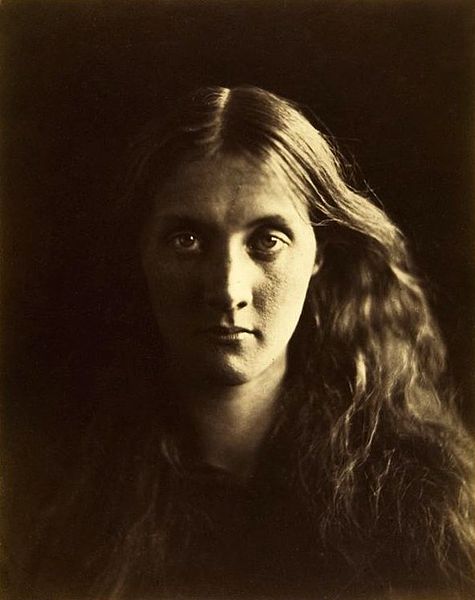
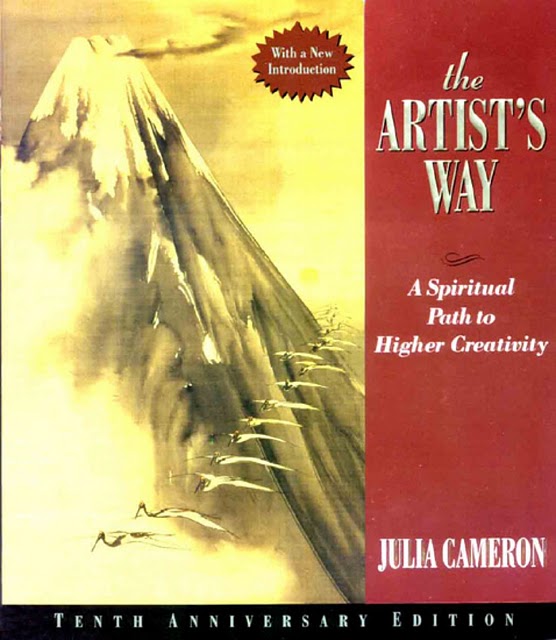

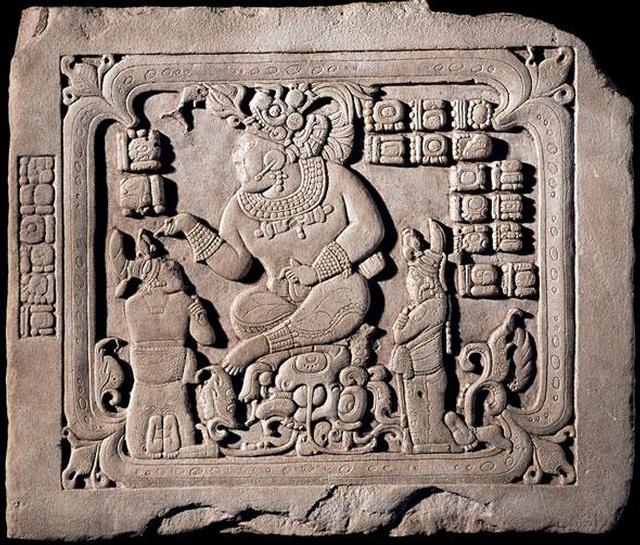



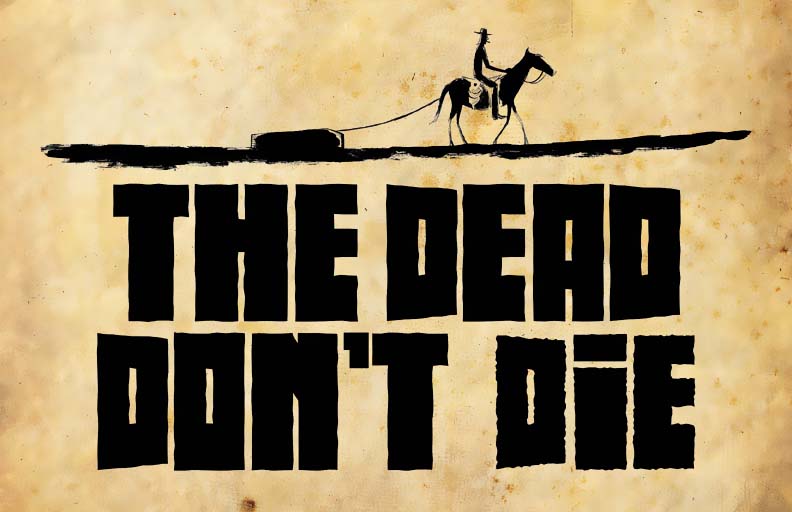
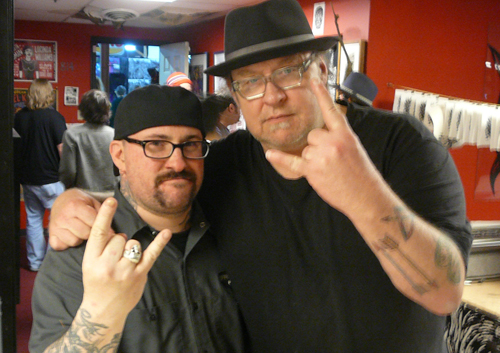


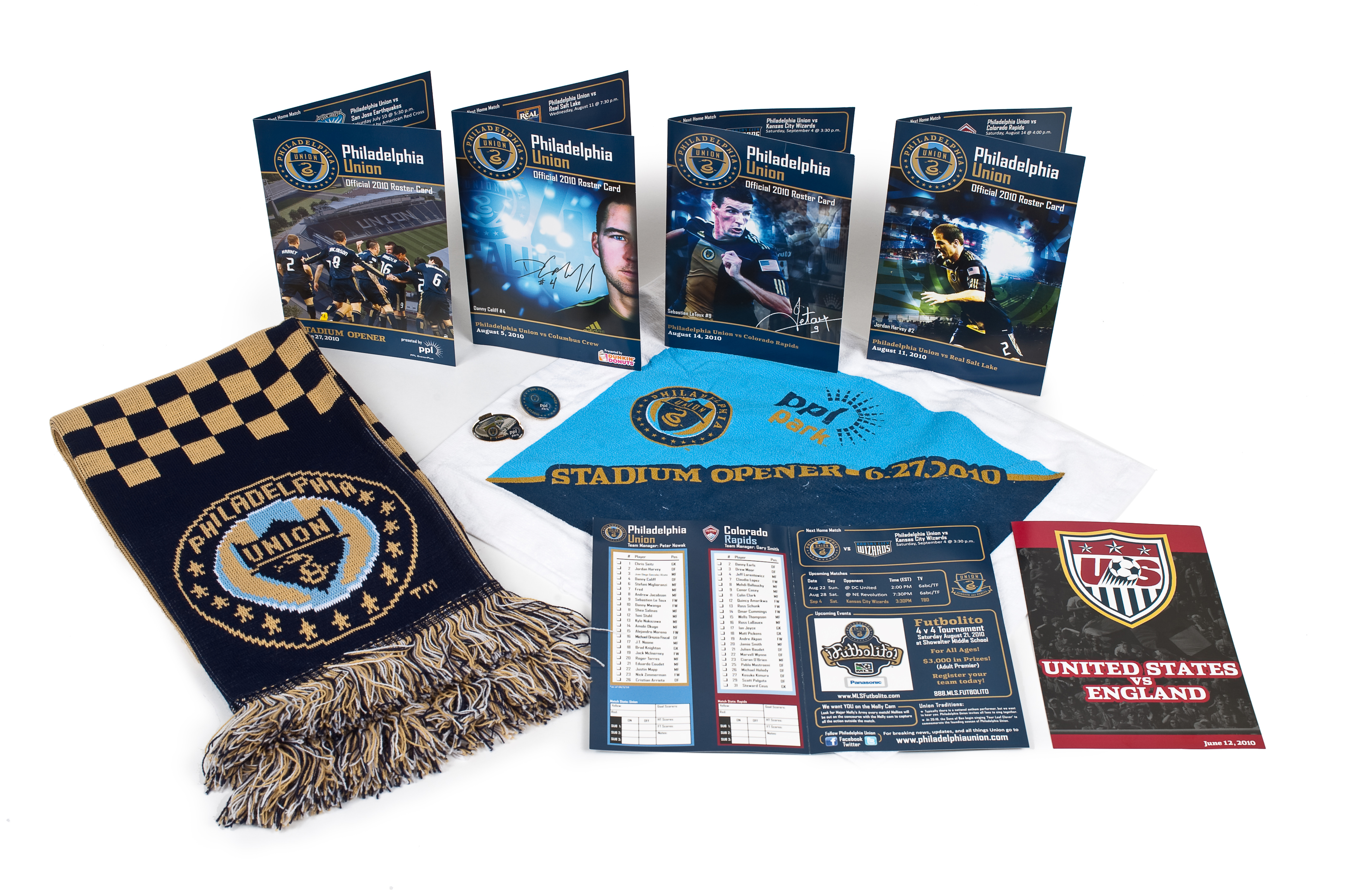
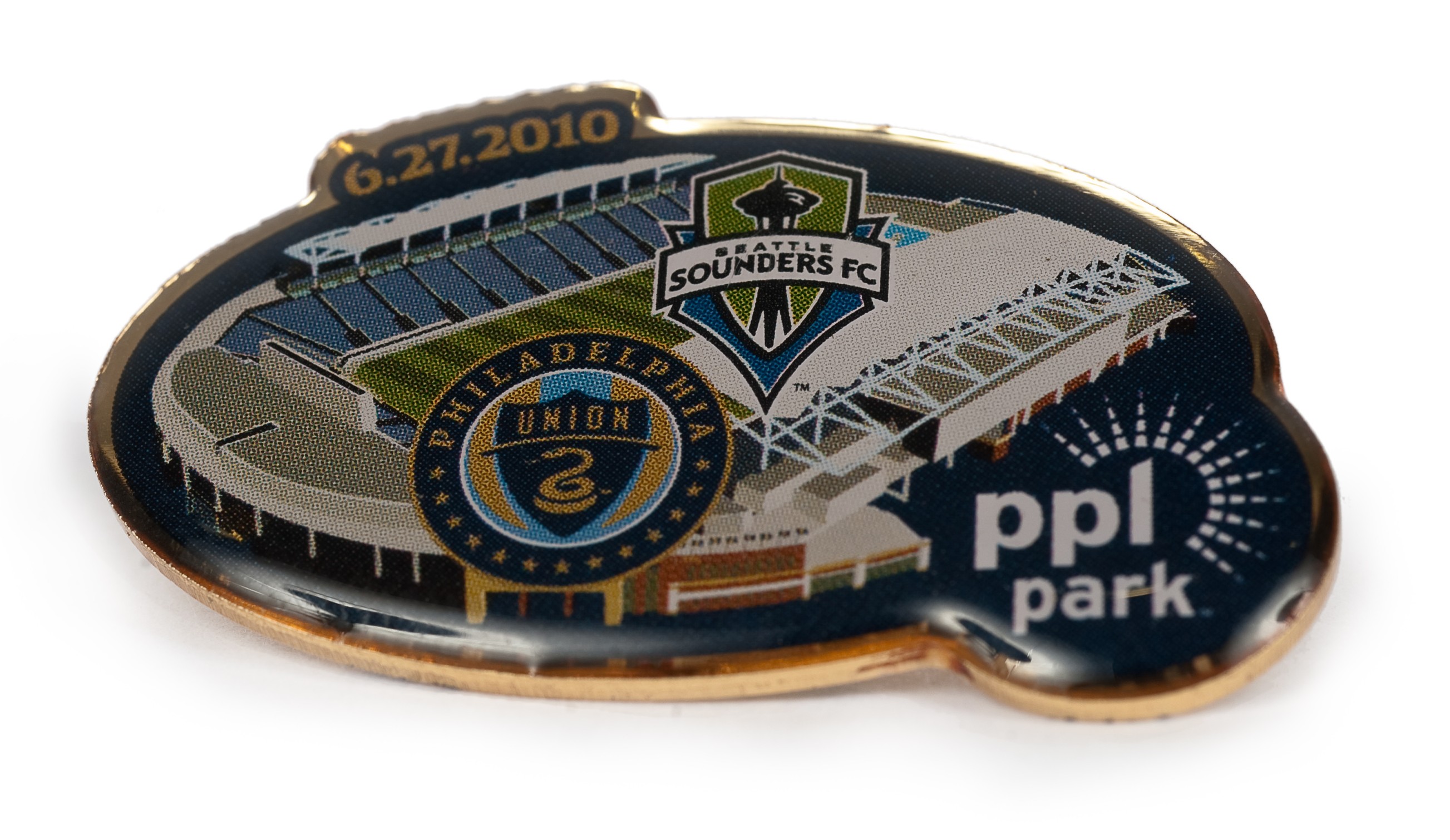

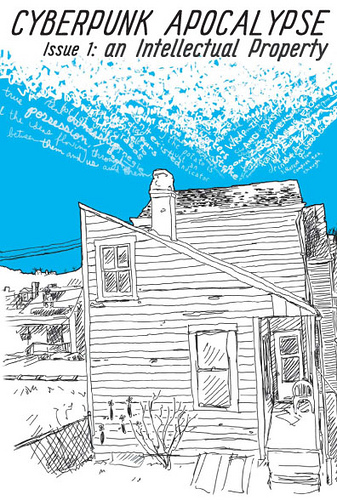
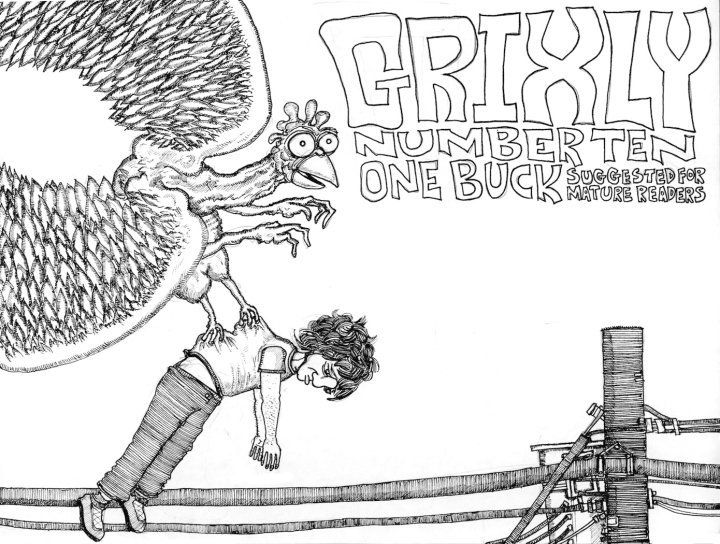

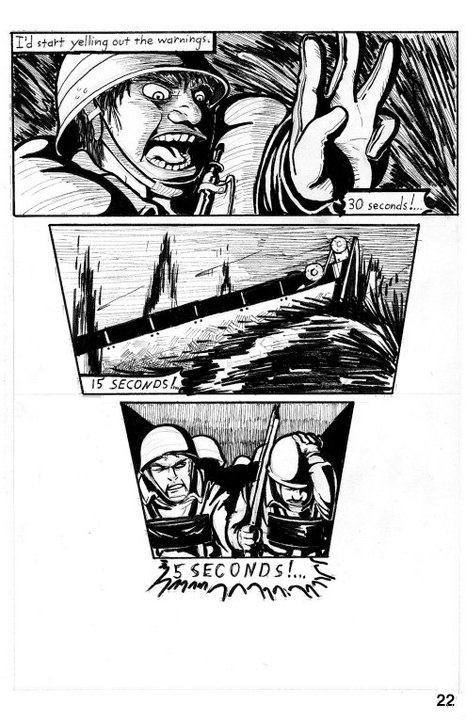




 Illustration Concentration